


Traditional Costumes, Archery, Camels and Eagles
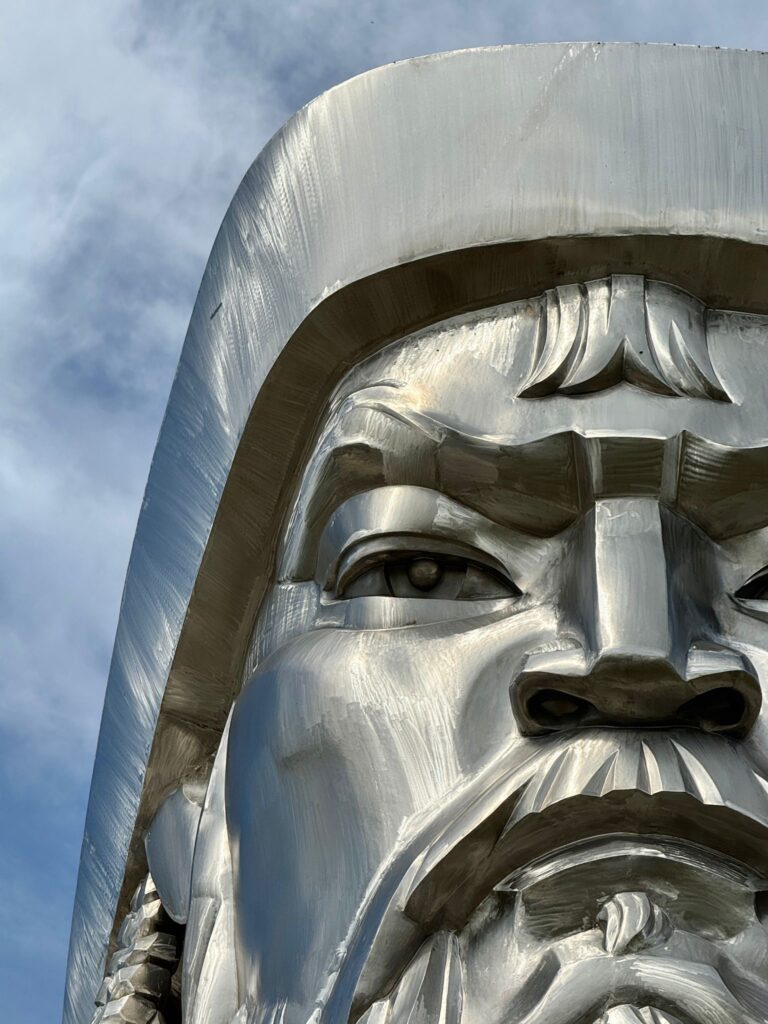
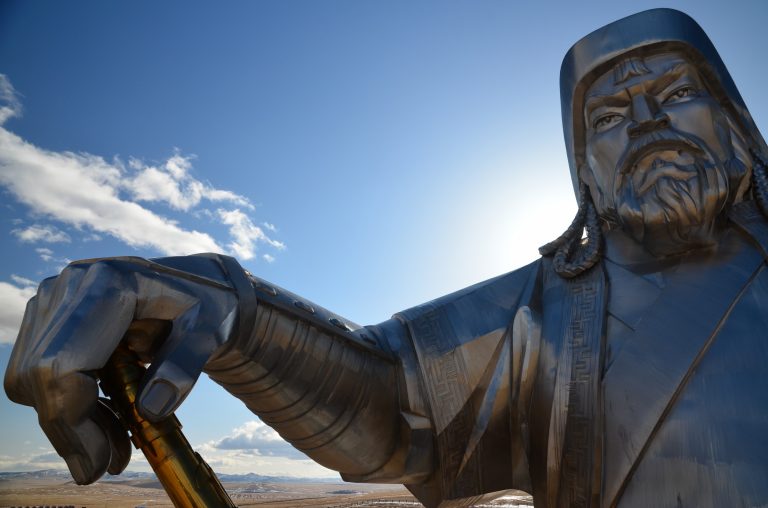
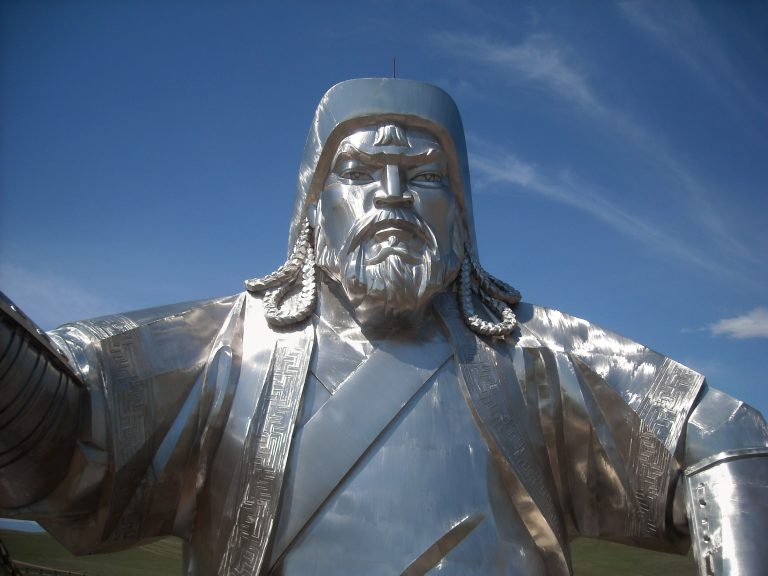
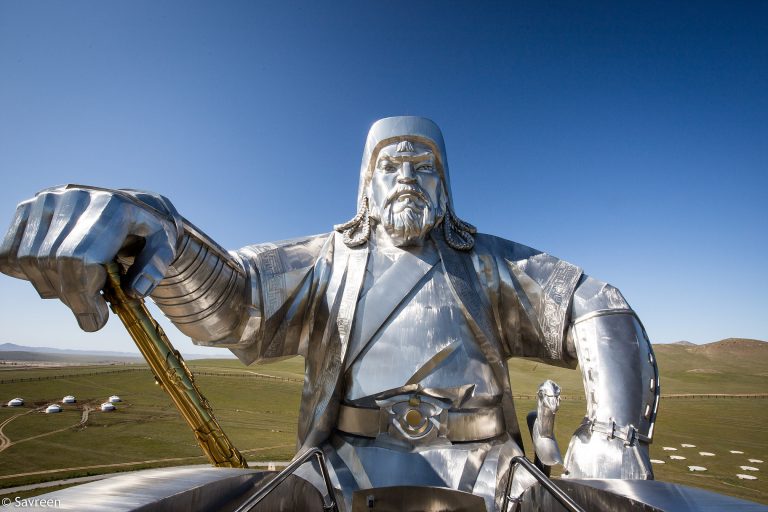
Part of the fun of visiting the Chinggis Khaan Equestrian Statue is that there’s more to do than simply admire the monument.
Depending on the season and which activities are operating, you may find opportunities to:
Try on historical Mongolian costumes, including elaborate robes, hats and warrior outfits. Apart from being entertaining, it’s a chance to appreciate the weight and construction of some of these garments.
Have a go at traditional archery, discovering that hitting a target with a Mongolian bow is considerably harder than it looks.
Take a short camel or horse ride, one of the activities offered around the complex.
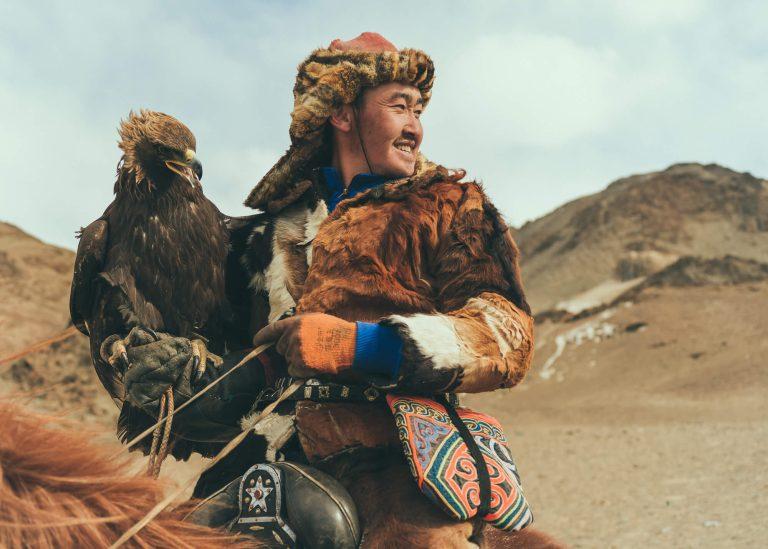
See golden eagles, with opportunities to hold a bird for a photograph.
Explore souvenir stalls and small food outlets, or simply watch families enjoying themselves.
These are organised visitor activities, rather than demonstrations of everyday life, and some involve additional charges.
We would also encourage visitors to think about animal welfare before choosing an activity involving horses, camels or eagles. Holding an eagle for a photograph, for example, is very different from learning about the living traditions of Kazakh eagle hunters in western Mongolia.
But there’s no need to participate in everything. Part of the enjoyment is simply soaking up the atmosphere and watching how Mongolian families spend their day.
Why This Is More Than Just a Tourist Attraction
When people talk about authentic travel in Mongolia, the focus is often on remote landscapes, herding families and traditional gers.
These are certainly important parts of the country, but they’re not the whole story.
Mongolia is also a modern country, where families enjoy outings, children want to try new activities and people take pride in visiting places connected to their national history.
At the Chinggis Khaan Equestrian Statue, you’ll see Mongolian families doing exactly what families do elsewhere in the world: taking photographs, sharing food, entertaining children and enjoying time together.
For us, this is as much a part of getting to know Mongolia as spending time in a rural community.
The experience doesn’t have to be remote, traditional or untouched by tourism to offer a genuine connection to the country.
Make a Day of It – Exploring Beyond the Statue
One of the reasons we enjoy including the Chinggis Khaan Equestrian Statue in our journeys is that it works particularly well as part of a relaxed day exploring the countryside east of Ulaanbaatar.
Rather than driving out, taking a photograph and returning straight to the city, there are several other places worth including.
Turtle Rock – The Granite Landscapes of Terelj
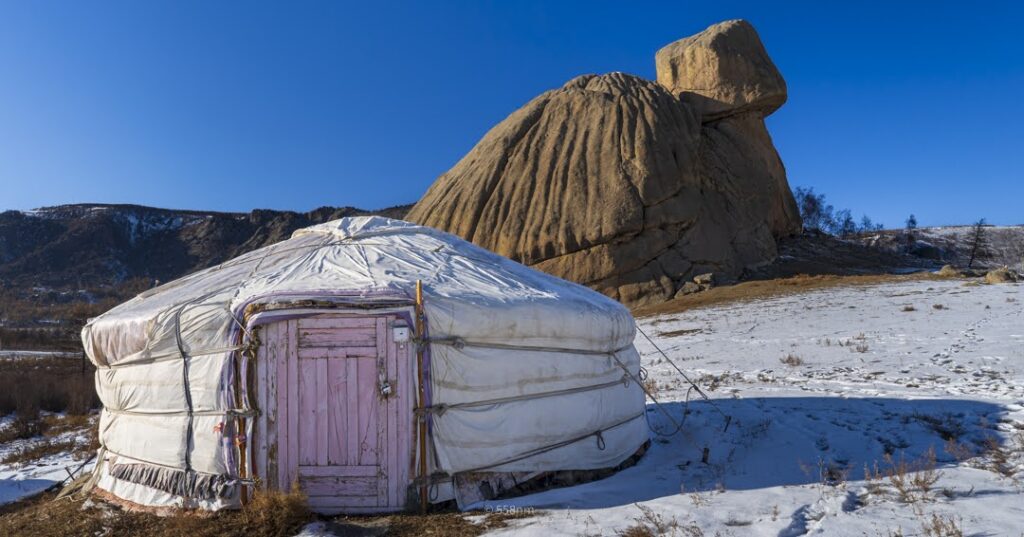
Located in Gorkhi-Terelj National Park, Turtle Rock is one of the area’s best-known natural landmarks. The enormous granite formation resembles a turtle rising from the surrounding landscape, while the nearby valleys, rocky outcrops and wooded hills offer a striking contrast to the open steppe around the statue.
Aryabal Meditation Temple – Buddhist Traditions and Mountain Views
Set into a hillside in Gorkhi-Terelj National Park, the Aryabal Meditation Temple offers a different experience.
Reaching the temple involves a walk uphill, followed by a climb up a series of steps. Along the way, Buddhist teachings and symbols introduce aspects of meditation and Buddhist philosophy.
The temple itself is a peaceful place to pause, while the views from the top stretch across the granite formations, forests and valleys of Terelj.


Mongol Culture Park – An Introduction to Mongolian Traditions
For those interested in learning more about Mongolia’s cultural heritage, the seasonal Mongol Culture Park in the Terelj area offers demonstrations and activities introducing different aspects of Mongolian life.
These include traditional music performances, felt-making, dairy traditions, ger culture and other activities inspired by Mongolia’s nomadic heritage.
Like the Chinggis Khaan statue complex, it is a visitor attraction, with organised experiences rather than spontaneous encounters with everyday rural life. However, it can provide an enjoyable and accessible introduction to cultural traditions, particularly for families or visitors with limited time in Mongolia.
The park operates seasonally, so activities and opening dates should be checked before visiting.
Roadside Guanz, Cafés and Family Picnics
And then there are the stops that don’t necessarily appear in a guidebook.
Along the roads around Terelj and the Chinggis Khan Equestrian Statue, you’ll find everything from small roadside guanz (local eateries) to restaurants, cafés and places serving drinks and snacks.
Depending on the season, roadside stalls may also offer airag (fermented mare’s milk), dairy products and other local foods.
If you take a picnic, please take all your rubbish away with you. Litter is an increasing problem around popular recreation areas, and respecting the places we visit is part of travelling responsibly.
Our Approach – Enjoy a Mongolian Day Out
At Eternal Landscapes, we don’t believe every experience has to be extraordinary or culturally profound to be worthwhile.
Sometimes it’s enough to enjoy being somewhere different, share a little of everyday life and see how people spend their free time.
The Chinggis Khan Equestrian Statue is undeniably a tourist attraction. It’s bold, monumental and, in places, rather commercial. But it’s also a place where Mongolians celebrate part of their history and enjoy time together.
That’s why we encourage our guests to approach it with curiosity and a sense of fun rather than worrying too much about whether it’s authentic. And that’s why we include a complimentary visit as part of our multi-day experiences.
After all, a day out with Mongolian families, enjoying the countryside, sharing food and celebrating a little national history, is an experience of Mongolia in its own right.
Jess @ Eternal Landscapes