
Mongolia’s Eagle Festivals
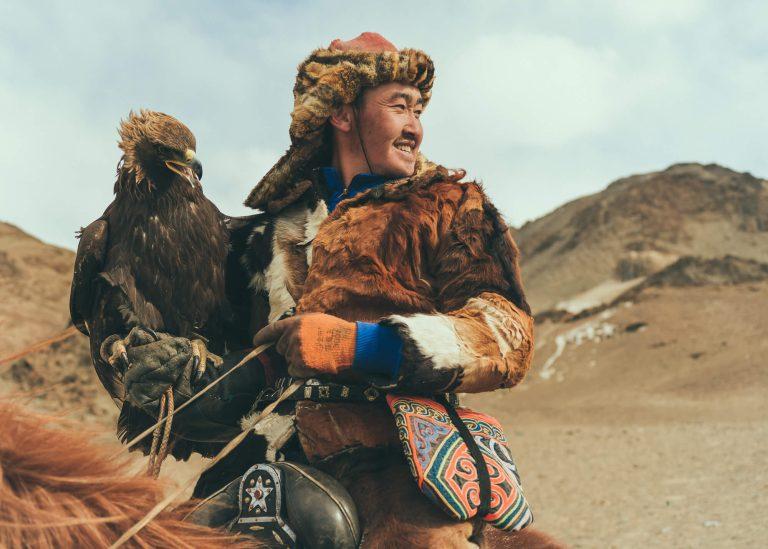
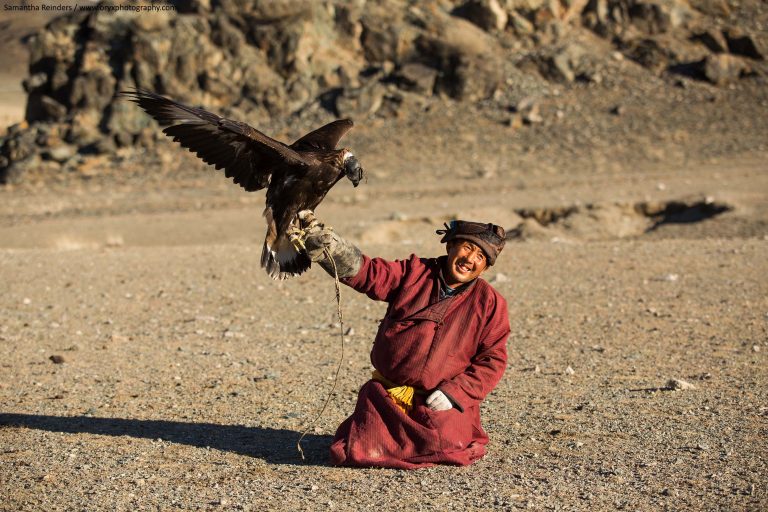
There are few images of Mongolia more recognisable than a Kazakh eagle hunter on horseback, a Golden Eagle balanced on one arm and the Altai Mountains behind.
And every autumn, that image draws increasing numbers of visitors to Bayan-Ölgii in far western Mongolia for the region’s eagle festivals.
The festivals are colourful, noisy, competitive and increasingly popular. There are horses everywhere, eagle hunters arriving from the surrounding countryside, families gathering, music, food, traditional games and, these days, plenty of photographers and international visitors as well.
They are worth experiencing.
But they are also worth understanding beyond the photographs.
Mongolia’s Eagle Festival Dates – At A Glance
Festival programmes and arrangements can change, so always reconfirm dates before organising domestic flights or other travel. However, the annual calendar typically looks something like this:
- Spring Eagle Festival, Ulaanbaatar: usually early March. If you use Facebook, you can watch a video of this colourful event here.
- Nauryz and eagle-related celebrations, western Mongolia: around March 21–22
- Sagsai Eagle Festival: September 17–18
- Tolbo Nuur Eagle Festival: Around September 20 & 21
- Altansogts Eagle Festival: around last weekend in September
- Main Golden Eagle Festival, Buyant/Ölgii area: first weekend of October
There are no major eagle festivals during summer. This is the moulting period and traditionally a time when the eagles are rested.

Table of Contents
Why Are There Kazakh Eagle Hunters In Mongolia?
Mongolia is predominantly ethnically Mongol, but it is also home to a number of ethnic minorities.
Kazakhs are Mongolia’s largest ethnic minority and the majority of Mongolia’s Kazakh population lives in Bayan-Ölgii, the country’s westernmost province.
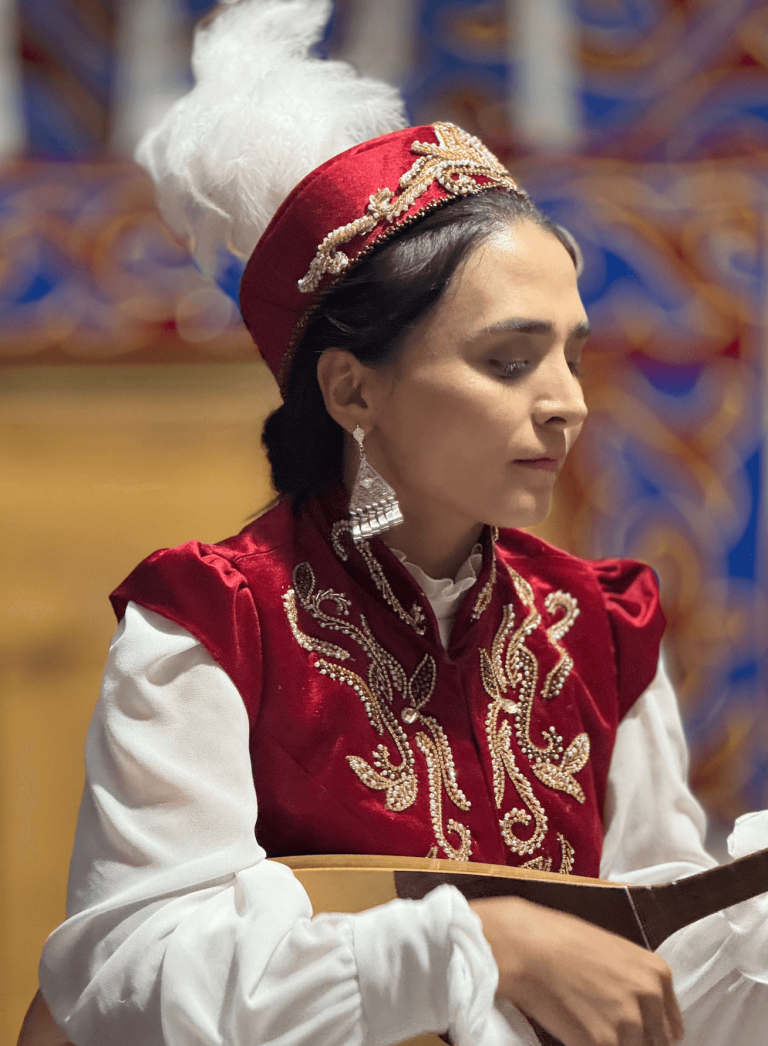
This is a very different part of Mongolia culturally as well as geographically. Kazakh language, food, religion, clothing, music and traditions are all part of everyday life.
One of those traditions is hunting with Golden Eagles.
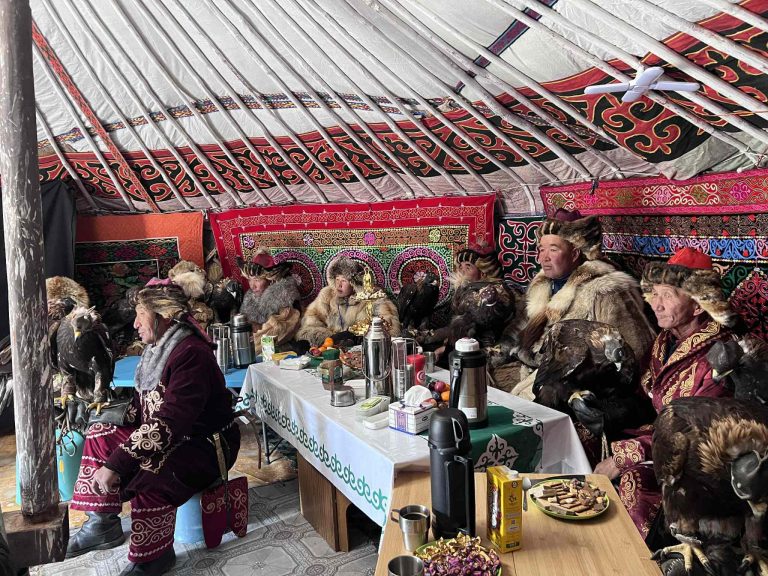
Known as bürkitshi or berkutchi, eagle hunters traditionally hunt from horseback using female Golden Eagles, which are larger and more powerful than males.
Hunting takes place during the colder months, traditionally for animals such as foxes. During summer, the eagles moult and are rested.
Falconry — which includes hunting with trained eagles and other birds of prey — is recognised by UNESCO as an example of living intangible cultural heritage, with Mongolia one of the countries included in the multinational inscription.
Are Mongolia’s Eagle Festivals An Ancient Tradition?
No — and this is an important distinction.
Hunting with eagles is a Kazakh tradition. Mongolia’s organised eagle festivals are comparatively modern.
The best-known Golden Eagle Festival developed at the end of the 1990s, with the main festival first officially held around the turn of the millennium.
The festivals were developed with the involvement of eagle hunters, local communities and tourism organisations partly to celebrate and promote Kazakh culture and partly to bring visitors and income to remote Bayan-Ölgii.
Tourism has helped shape the modern festivals. That doesn’t mean the culture being celebrated isn’t real.
For participating eagle hunters and their families, the festivals have also become social occasions, competitions and opportunities to celebrate Kazakh identity, horsemanship, music and other traditions.
They bring valuable income into western Mongolia through accommodation, transport, food, guiding and other locally provided services.
At the same time, increasing international interest inevitably changes an event.
Both things can be true.
What Happens At An Eagle Festival In Mongolia?
Each eagle festival has its own programme and nothing should be considered completely fixed.
However, most include a combination of eagle competitions, horse games and cultural events.
Parade Of Eagle Hunters
One of the most impressive sights is the arrival or parade of eagle hunters on horseback.
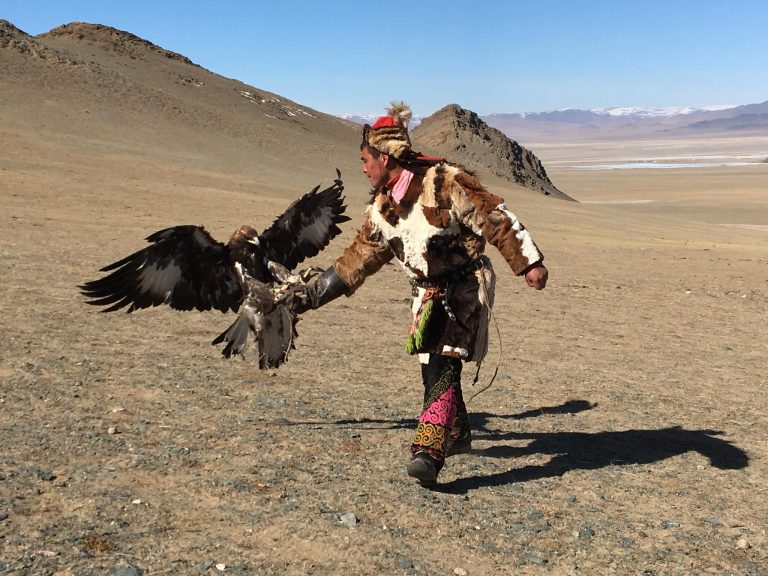
Hunters wear traditional Kazakh clothing and carry their Golden Eagles on heavy leather gloves. There are typically be awards for clothing, equipment, horses and the overall appearance of hunter and eagle.
Eagle Calling Competition
The eagle is released from higher ground while the hunter waits below and calls her.
Points are typically awarded according to how quickly and accurately the eagle identifies and returns to her handler.
- Hunting Demonstrations
Other competitions demonstrate hunting skills, often using a lure dragged behind a galloping horse rather than live prey.
Again, the speed and response of the eagle and the relationship between eagle and hunter are important.
Kazakh Horse Games
The horse events can be just as entertaining as the eagle competitions.
These may include tenge ilu, where a rider attempts to pick an object from the ground while galloping, and kokpar, the energetic horseback game involving riders competing for possession of a goat carcass.
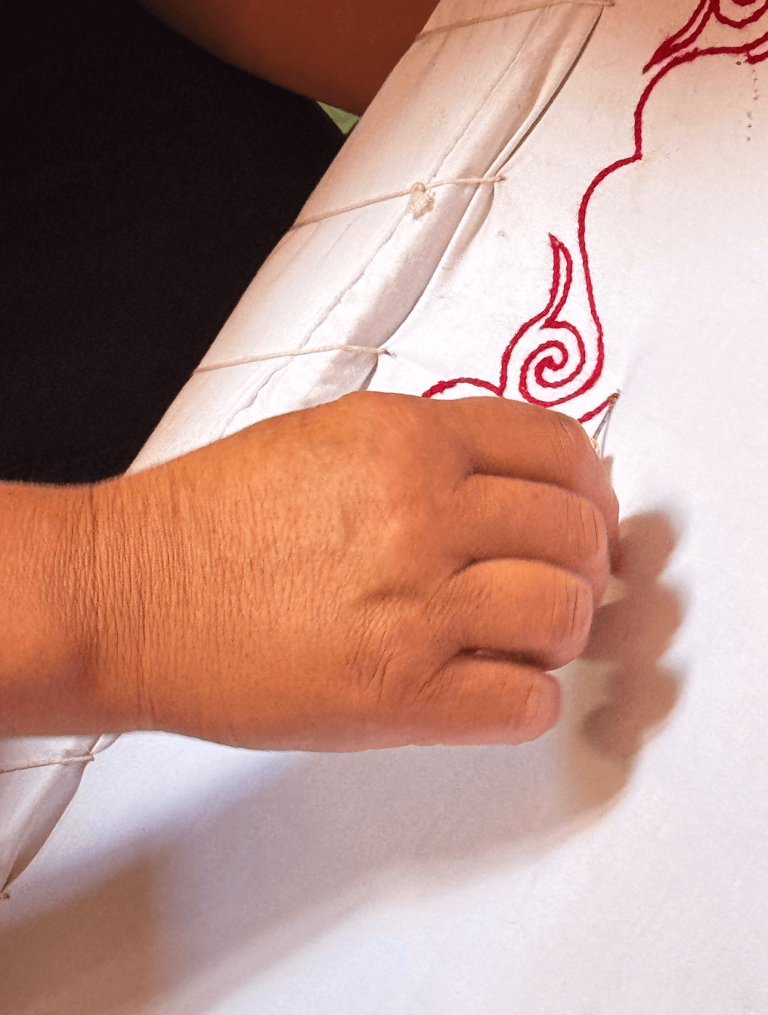
Depending on the festival, there may also be music, dancing, traditional crafts, food stalls and demonstrations of aspects of Kazakh life.
Don’t expect everything to happen precisely according to the published programme.




Are Mongolia’s Eagle Festivals Too Touristy?
This is probably one of the questions we are asked most. And yes, the autumn eagle festivals have become very popular.
If you’re imagining yourself standing alone on an empty mountainside with a handful of eagle hunters, that probably isn’t going to be your festival experience.
There will be international visitors. There will be very large camera lenses. There will be organised photography tours as well as large tour groups. And all will be manoeuvring for photographs.
The festivals aren’t hidden secrets.
But I don’t find the usual authentic versus inauthentic argument particularly useful here.
After all, the modern festivals themselves developed partly because of tourism.
But you’ll also see families who have travelled in from surrounding communities, friends shouting encouragement, children watching the competitions and eagle hunters who have fun in participating.
An event can be commercial and locally important.
Rather than arriving with a preconceived idea of what an “authentic” Kazakh festival should look like, I think it is better to observe and engage with the event that actually exists.
Are Mongolia’s Eagle Festivals Ethical?
This deserves more than a simple yes or no.
Traditionally, Kazakh hunters work with wild-caught female Golden Eagles for a number of years before eventually releasing them back into the wild. Accounts commonly describe a working partnership of around seven to ten years.
Many eagle hunters learn their skills through family members, often across generations, and develop an extraordinarily close working relationship with their bird.
However, tourism has inevitably created new pressures, and the contemporary picture is more complicated.
As the number of visitors wanting to see and photograph eagle hunters has grown, there are legitimate concerns that tourism can encourage people to acquire eagles primarily for display or commercial purposes, rather than as part of the traditional hunting culture. It is a complex subject, which is why we have written separately about the ethics of hunting with eagles in Mongolia.
At the same time, important conservation work is taking place locally. The Wildlife Science and Conservation Center of Mongolia has worked with the Kazakh Falconry Association and others on monitoring, research and conservation initiatives in Bayan-Ölgii. This work has also helped support the development of the Eagle Hunter Cultural Centre in Ölgii — a facility open to visitors that provides much-needed context around eagle hunting, conservation and Kazakh cultural heritage, and one we highly recommend visiting.
So I don’t think there is a neat answer in which either the tradition is completely sustainable or tourism is destroying it. The reality deserves more thought than that.
For us, the important point is to approach the tradition with respect and curiosity, and not to treat either the eagle or the person holding her simply as a photographic prop.
When Is Eagle Hunting Season In Mongolia?
Eagle festival season and eagle hunting season are related but they aren’t exactly the same thing.
The festivals predominantly take place during autumn, at the beginning of the colder period.
Actual hunting traditionally takes place through the colder autumn and winter months, when the animals being hunted have developed their winter coats.
By summer, Golden Eagles are moulting and are normally rested.
How Do You Get To The Eagle Festivals?
The autumn eagle festivals take place in Bayan-Ölgii in far western Mongolia, around 1,700 kilometres by road from Ulaanbaatar depending on the route travelled.
Domestic flights connect Ulaanbaatar with western Mongolia, including Ölgii and neighbouring Khovd, although schedules change and seats around festival dates can sell quickly.
Overland travel is another option.
There is a long-distance bus between Ulaanbaatar and Ölgii, while travelling with a vehicle allows you to incorporate the journey west into a longer Mongolia road trip.
You can travel through Mongolia’s central heartland, across the Gobi or through the landscapes of the north and west.
Whichever way you arrive, I wouldn’t recommend flying into Ölgii immediately before an eagle festival and leaving immediately afterwards if you have the time to do otherwise.
Go For The Festival. Stay For Western Mongolia.
I enjoy Mongolia’s eagle festivals. I enjoy the noise, the horses, the concentration of the competitors and the complete lack of control over what is going to happen next.
But the festivals are only one small window onto Kazakh culture in western Mongolia.
Bayan-Ölgii is an extraordinary part of Mongolia and it seems a shame to travel all that way, attend a two-day festival and immediately leave again.
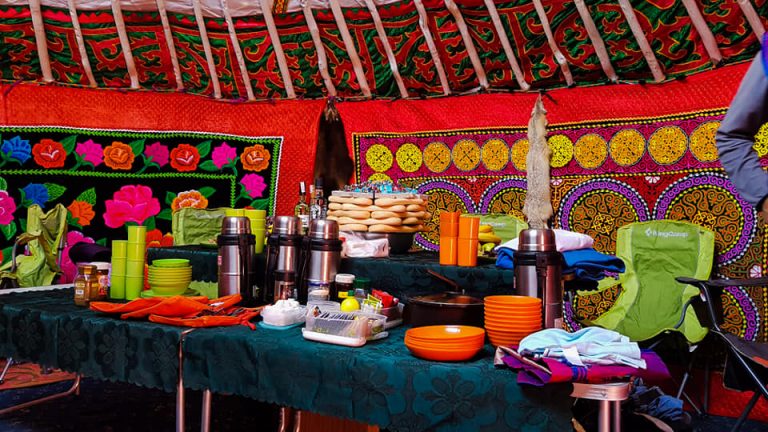
So stay longer — drink tea in someone’s home, travel through an autumn landscape, watch an eagle hunter care for his bird when there isn’t an audience, or simply share an ordinary evening with a family.
So yes, go to an eagle festival but make it part of your journey rather than its sole purpose.
Jess @ Eternal Landscapes