Mongolia’s Winter Horse Festival – Celebrating the Horse Culture of the Eastern Steppe
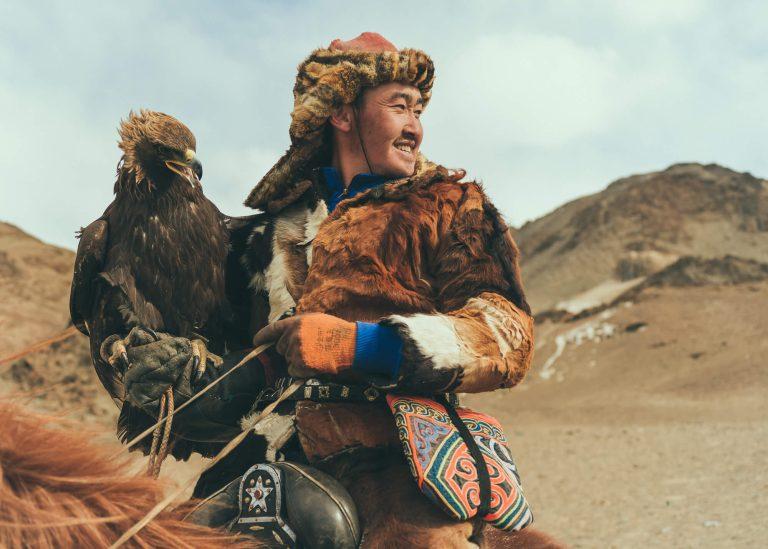
When people think of traditional hunting in Mongolia, it is often the Kazakh eagle hunters of western Mongolia who come to mind. With their magnificent golden eagles and the dramatic landscapes of the Altai Mountains as a backdrop, they have become some of the most recognisable images of Mongolia, particularly on social media.
But travel east across Mongolia, and you’ll discover another side of the country’s hunting heritage. Here, across the wide-open grasslands of the eastern steppe, traditional hunting practices include the use of falcons and swift, lean hunting dogs known as taiga dogs, alongside a horse-herding culture shaped by generations of knowledge and experience.
Each November, Mongolia’s Талын Түмэн Адуу (Taliin Tumen Aduu) Winter Horse Festival brings together herders, horse trainers, riders and local communities in Khentii Province to celebrate their connection with horses, traditional horsemanship and the wider cultural heritage of the eastern steppe.
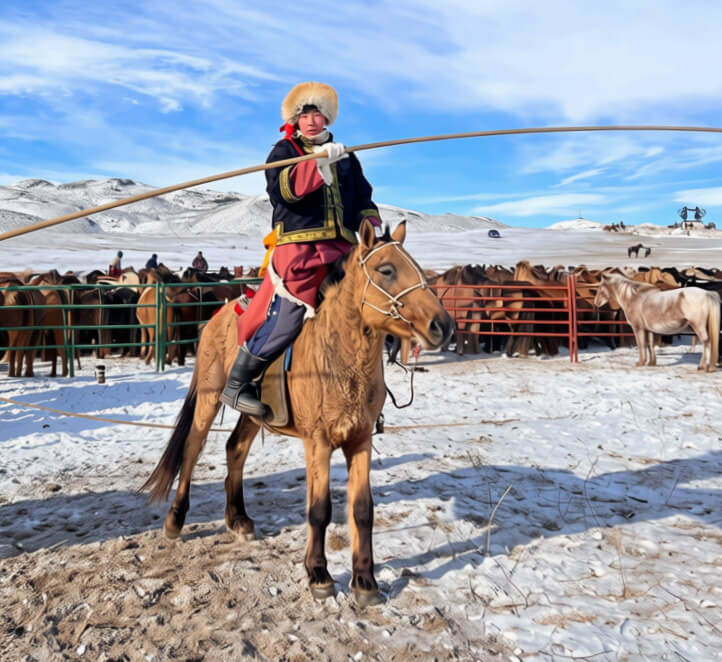
Table of Contents
Mongolia’s Winter Horse Festival At A Glance
Festival name: Талын Түмэн Адуу (Taliin Tumen Aduu) – Winter Horse Festival
Location: Khentii Province, eastern Mongolia
When: Typically November
Duration: Two to three days
What it celebrates: Mongolia’s horse-herding heritage, traditional horsemanship and the skills of rural herding communities
Festival highlights: Horse-catching and lassoing competitions, riding demonstrations, horse parades and traditional hunting dogs
Local significance: Brings together herders, trainers and families to celebrate and share knowledge, skills and traditions across generations
Why visit: An opportunity to experience a lesser-known Mongolian cultural festival, explore the eastern steppe and discover a different aspect of Mongolia’s living heritage
Celebrating Mongolia’s Horse-Herding Heritage
Horses have shaped Mongolian history, culture and everyday life for centuries. Although their role has changed with the introduction of motor vehicles and modern technology, horses remain essential to many rural households, particularly for herding livestock and maintaining a way of life closely connected to the surrounding landscapes.
The Winter Horse Festival celebrates this relationship while providing an opportunity for experienced herders and younger generations to demonstrate and share their skills.
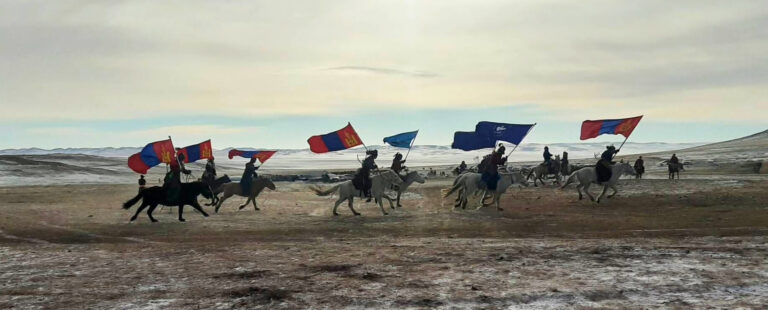
Held over two days, the festival features a variety of competitions and activities, riding demonstrations, horse parades and displays of regional horse breeds and equipment.
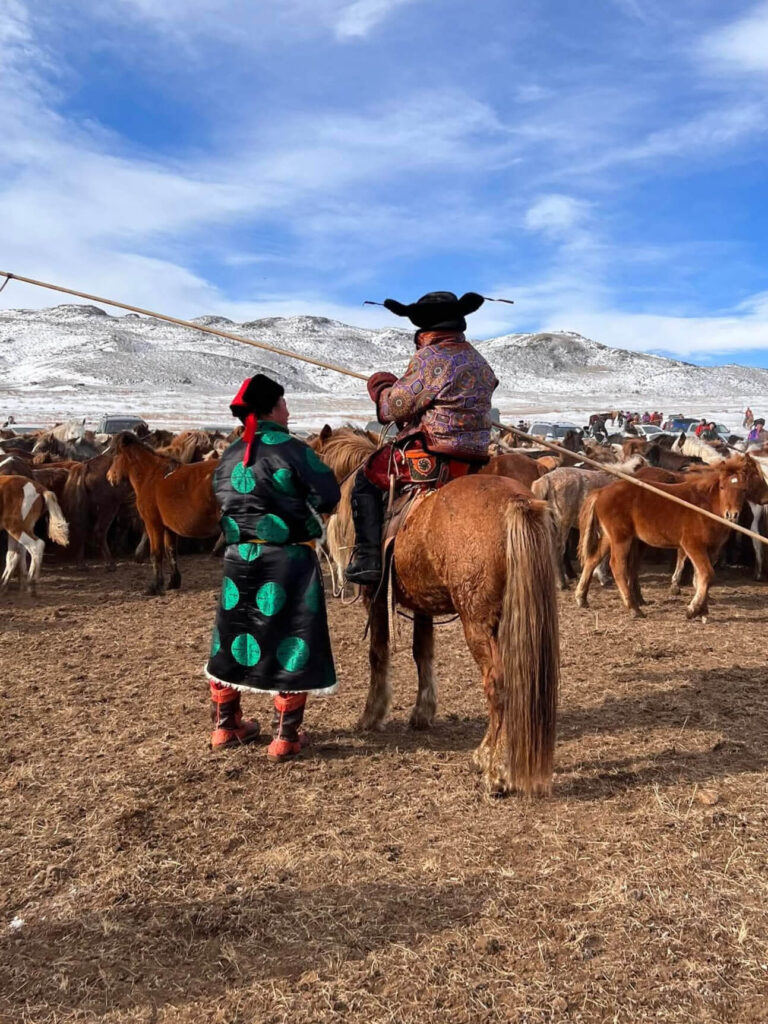
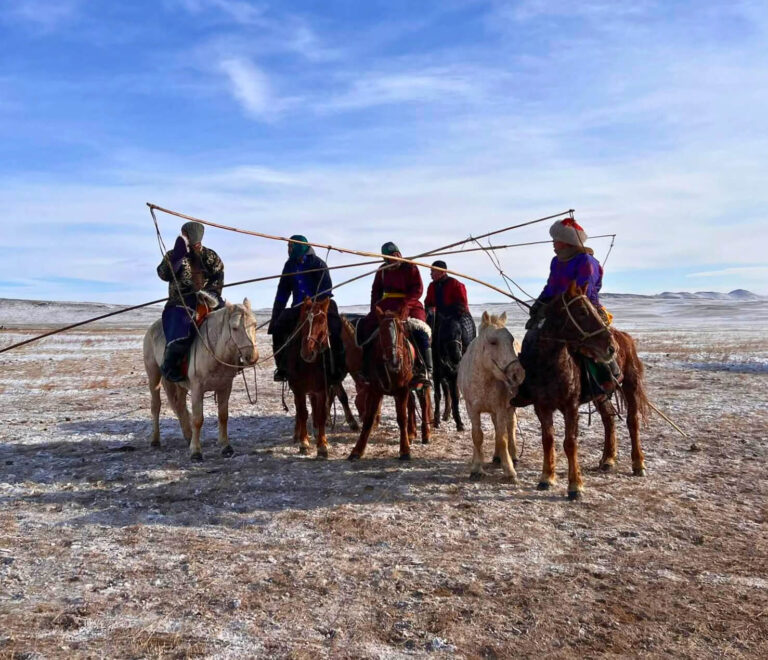
The festival also brings practical horsemanship skills into the open. Riders compete in Shurguu and in taming an unbroken horse, while other events test their skill with the uurga — a long pole with a loop used to catch horses — and with lassoing, both on horseback and on foot. These are demanding displays of timing, balance and experience, rooted in the everyday work of living with and herding horses.
There is something remarkable about watching experienced herders work with their horses. What might appear effortless to an observer is the result of years of knowledge, practice and an understanding of the animals they work with.
But the festival is about more than competition. It is also an opportunity for families and communities to come together, celebrate their heritage and pass on knowledge to younger generations. It brings recognition to the skills of rural horse herders while creating opportunities for local businesses during a quieter time of year.
Beyond the Horses: Hunting Traditions of Eastern Mongolia
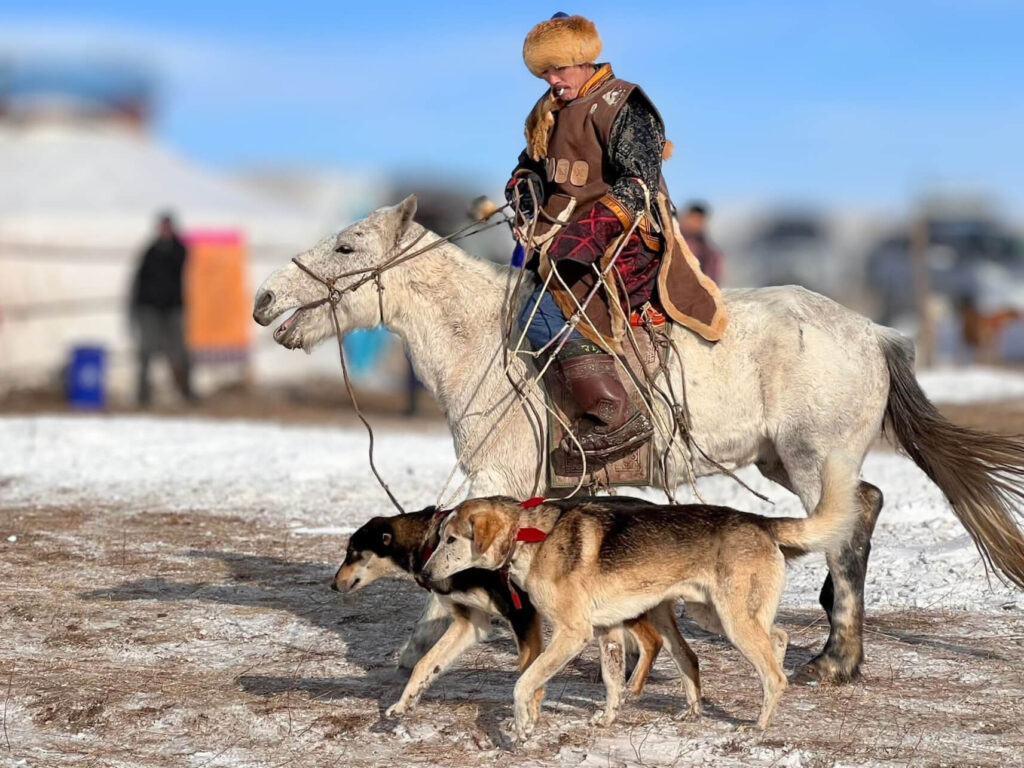
Although horses take centre stage, the festival also introduces visitors to other aspects of the region’s cultural heritage, including the use of hunting dogs.
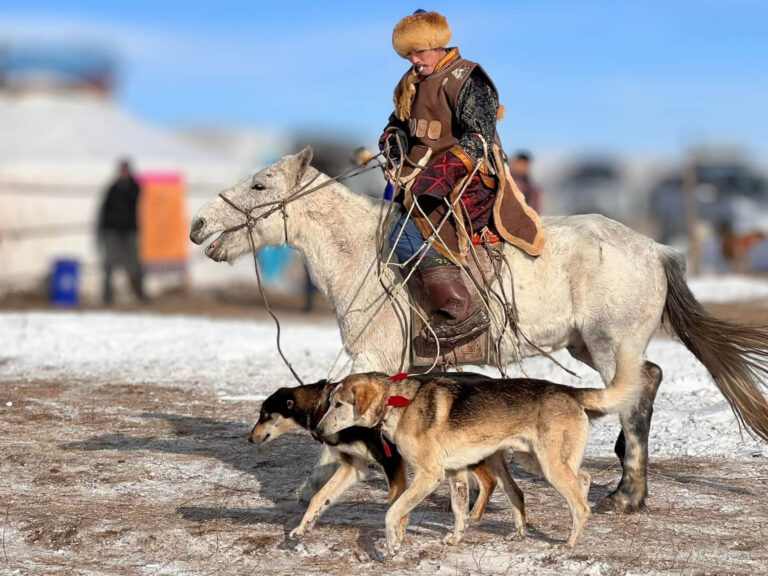
Unlike the large, heavily built Mongolian Bankhar dogs traditionally associated with guarding livestock, the hunting dogs of the eastern steppe are leaner and more agile, with a build that can resemble a Greyhound or Whippet.
Historically, these dogs have been used by local hunters to pursue animals such as foxes and other wild game. Their speed and ability to work across open landscapes reflect the practical knowledge developed by communities living in this environment.
Hunting has long formed part of rural livelihoods in some areas of Mongolia, providing meat, fur and, historically, a means of protecting livestock from predators. However, these traditions also raise contemporary questions about wildlife conservation, changing ecosystems and the sustainable management of wild animal populations.
Understanding these practices within their local context offers another perspective on the relationship between people, animals and the landscapes of eastern Mongolia.
Why We Support Mongolia’s Winter Horse Festival
At Eternal Landscapes, we believe that tourism should provide opportunities to discover the diversity of Mongolia’s cultures and communities rather than concentrating attention on a small number of well-known destinations and events.
Mongolia’s autumn eagle festivals have become increasingly popular with international visitors, especially photographers. Although we offer opportunities to experience these festivals, we also believe there is considerable value in encouraging visitors to explore lesser-known cultural events elsewhere in the country.
The Winter Horse Festival is one such example.
It takes place in November, outside Mongolia’s main summer tourism season, helping to create opportunities for tourism-related income at a time when visitor numbers are generally much lower.
It also brings attention to Khentii Province, an area that receives less international tourism than destinations such as the Gobi Desert, central Mongolia or the western Altai.
Most importantly, the festival celebrates a distinctive aspect of Mongolia’s living heritage. Visitors can learn about the everyday skills and knowledge of horse herders and gain a broader understanding of the important role that horses continue to play in rural life.
Of course, travelling outside the main tourism season does not automatically make a journey responsible. How we travel, where we spend our money and how we engage with local communities all matter. But by supporting locally organised events and spending time in places that receive fewer visitors, we can help distribute some of the economic opportunities created by tourism more widely.
A Road Trip to Mongolia’s Winter Horse Festival
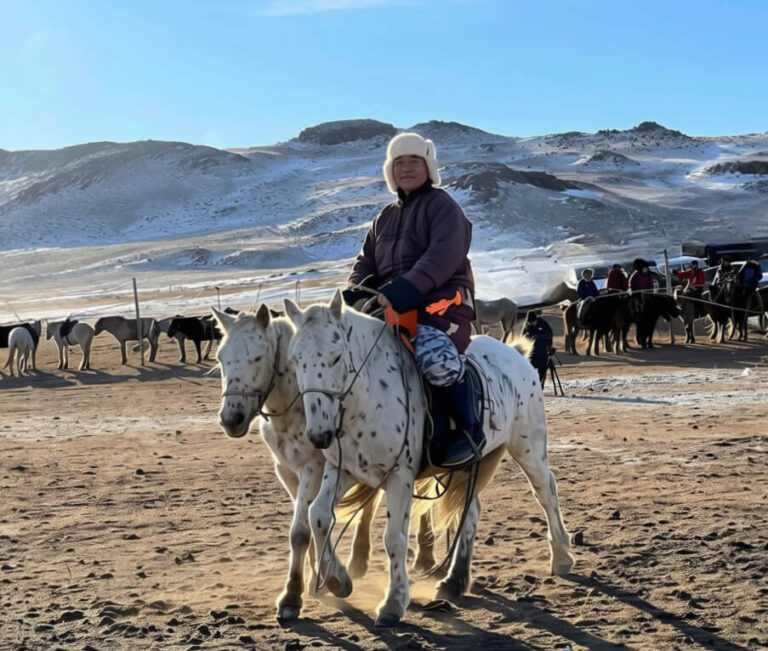
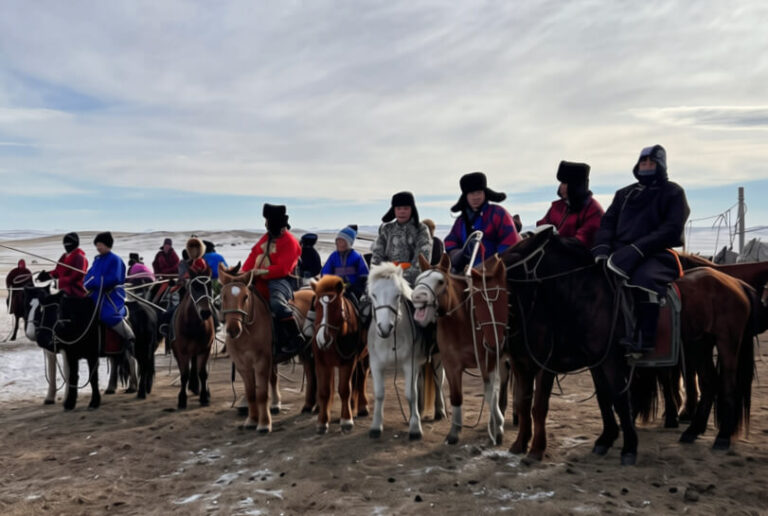
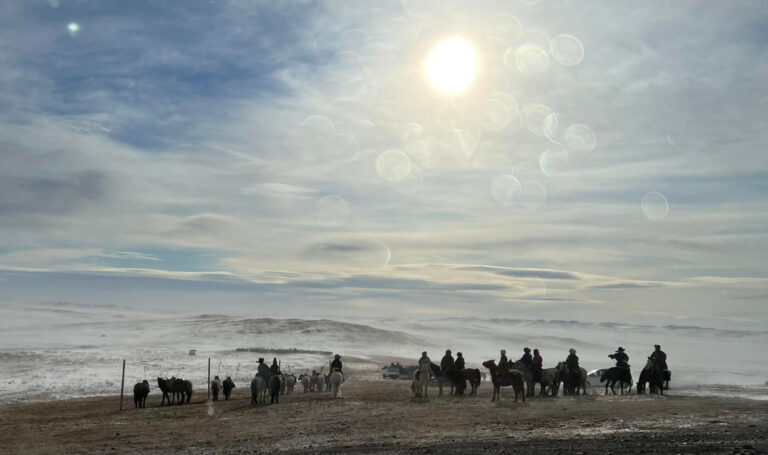
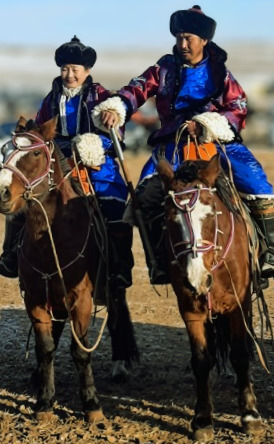
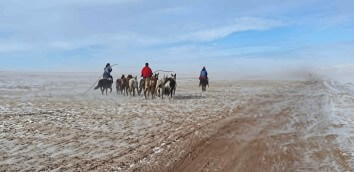
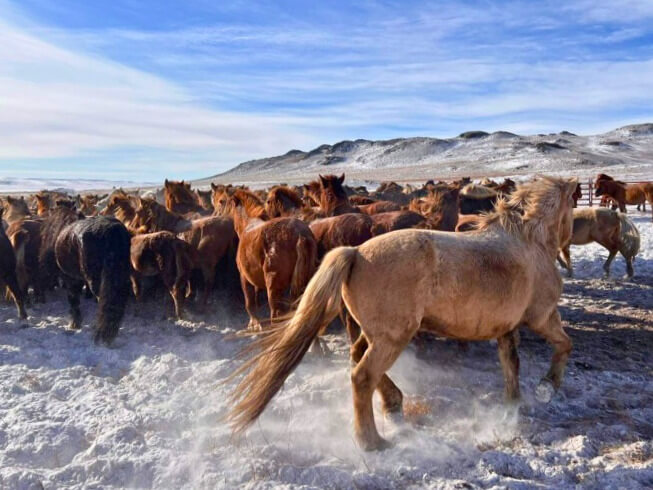
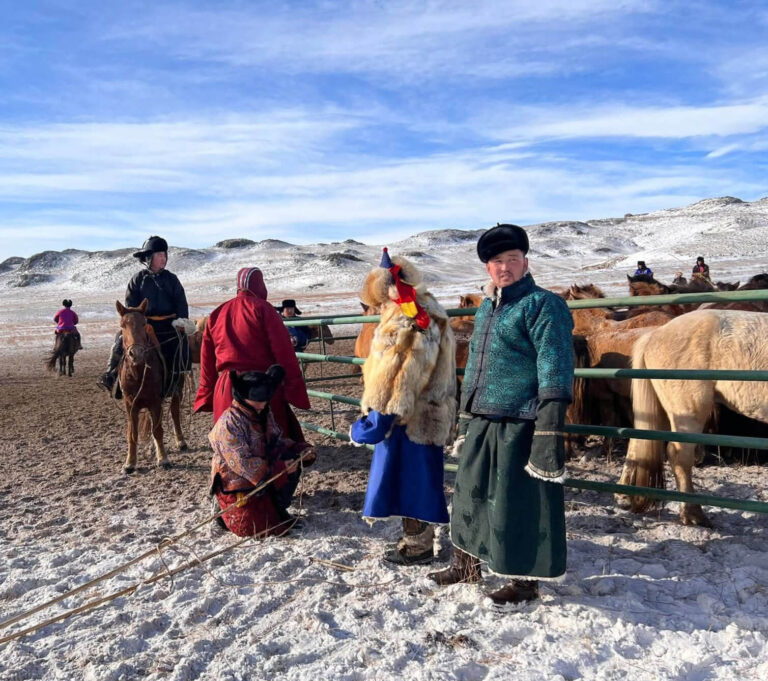
The photographs below are informal snapshots taken by Turuu and Nyamka from our Eternal Landscapes team when they headed east on a road trip to experience the festival for themselves.
They aren’t professional festival photographs or carefully staged images. Instead, they capture a little of what caught their attention along the way and during their time at the event.
And that is very much how we like to experience Mongolia. Not simply travelling to see a particular event, but allowing time for the road journeys, unexpected encounters, local communities and everyday moments that are just as much a part of the experience.
The festival might be the reason for making the journey, but there is always more to discover along the way.
A Connection to Mongolia’s History
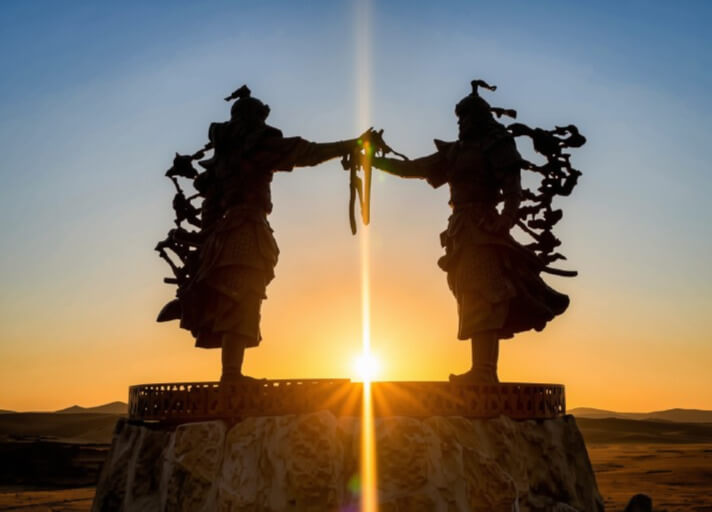
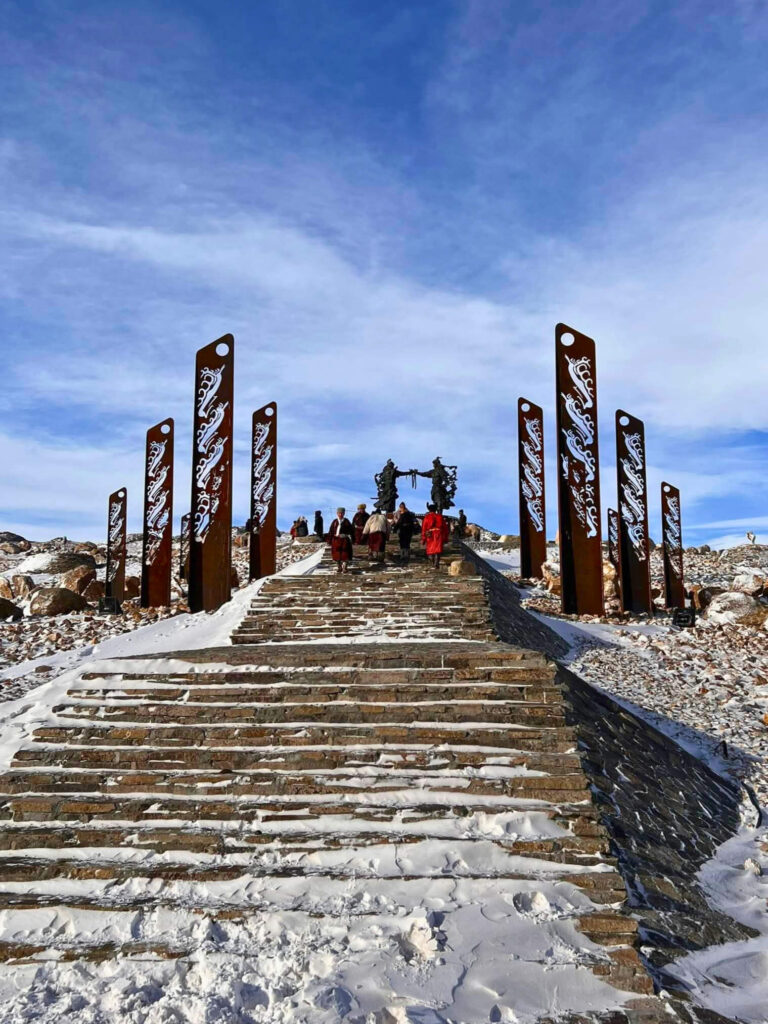
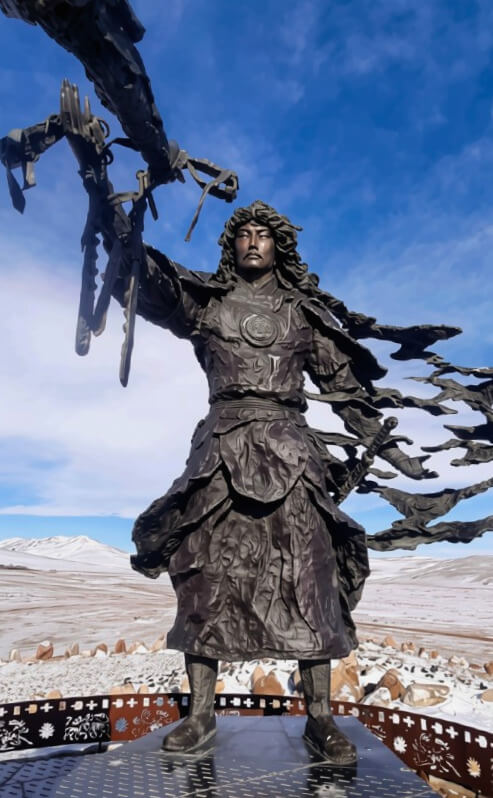
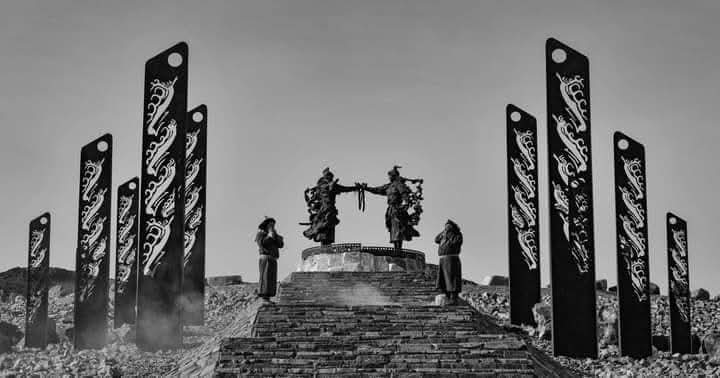
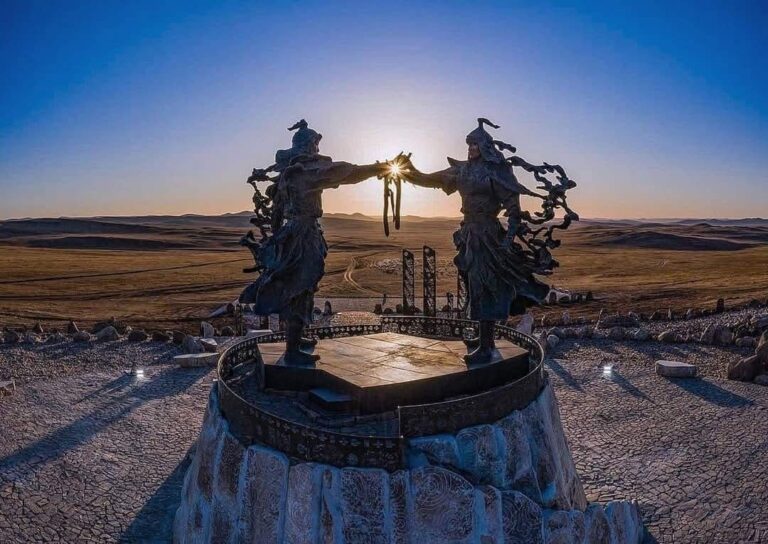
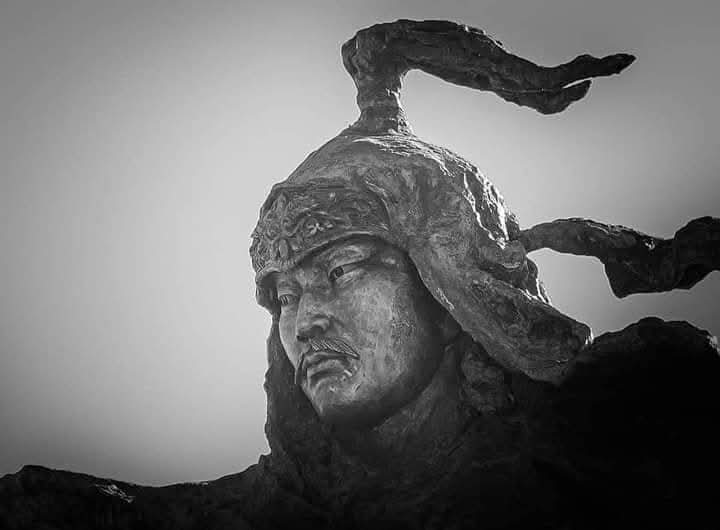
The Winter Horse Festival also provides an opportunity to discover some of the history of Khentii Province. Close to the festival site stands the striking Tengeriin Andgai (Oath of Heaven) monument, created by Mongolian sculptor A. Ochirbold in 2021. The two bronze figures represent the young Temüjin, who would become Chinggis Khaan, and Boorchi, one of his earliest and most loyal companions. According to The Secret History of the Mongols, their friendship began when Boorchi helped Temüjin recover stolen horses. The sculpture captures the two young men exchanging their belts in a gesture of friendship and loyalty, with their clothing appearing to swirl in the winds of the eastern steppe. It is a fitting connection to a festival that celebrates the enduring importance of horses in Mongolian life.
Experience Mongolia’s Winter Horse Festival
If you’re interested in experiencing the Winter Horse Festival get in touch to discuss including the festival in a tailor-made journey through eastern Mongolia.
You can also explore our guide to Mongolia’s festivals and discover more about the country’s winter festivals and events.
Jess @ Eternal Landscapes