
Rooted in Mongolia: Our 2024 Impact Report
The release of our first Impact Report is a small but important step for us.
We are not a large tour operator. We do not have a big marketing team, a large office, or the scale of many companies working in Mongolia. We are a small company, rooted in long-term relationships, and much of what we do happens quietly behind the scenes.
This report is not perfect. It is not a glossy claim that we get everything right. It is simply a record of where we are, what we are trying to do, where our money and time go, and where we still have work to do.
It also reflects something we believe strongly: that tourism in Mongolia should benefit the people and places that make travel here possible.
Why This Report Matters To Us
The winter of 2023/24 was one of the harshest dzuds Mongolia has faced in nearly 50 years. Extreme cold and heavy snowfall affected herder families across the country, including families we work with through long-term local community partnerships.
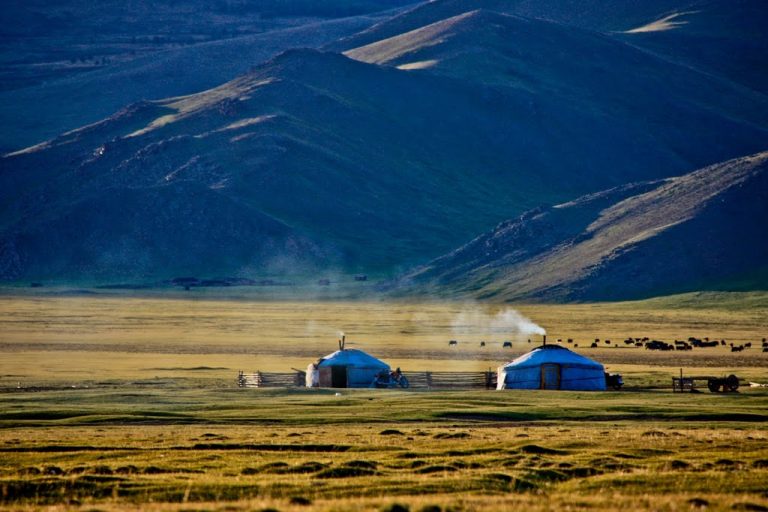
One of those families is the Batchuluun family, who live within Khustain Nuruu National Park and with whom we have worked since 2018. Their livestock has sustained them for generations. But with millions of animals lost nationwide, the pressures on herding families have become even harder.
For families such as the Batchuluuns, tourism is not their whole income. Nor should it be. But it can provide a useful supplementary income that helps support their way of life at a time when rural livelihoods are under increasing pressure.
That is one reason we have published this report.
Not because impact is always the deciding factor when someone chooses a travel company. We know it often is not. Most people choose a trip because the dates work, the itinerary appeals, the price feels possible, or because something about the company feels right.
But impact still matters.
It matters in the decisions made quietly behind the scenes. It matters in who is paid, who is trained, who is listened to, who is supported, and who benefits from the presence of travellers.
Tourism Leakage — And Why We Talk About It
Tourism leakage is the term used when money generated by tourism leaves the country or the local economy instead of staying with the people and communities connected to the experience.
In Mongolia, this matters.
Mongolia’s tourism industry is growing, and with that growth comes opportunity. But it also brings questions. Who benefits? Where does the money go? Are local families, guides, drivers, small businesses, national parks, and community projects included in that growth? Or are they simply part of the scenery?
There are no simple answers. Mongolia’s tourism industry is varied and complicated. Many ger camps are Mongolian owned. Many guides and drivers work independently. Many travellers now book through personal contacts, friends of friends, or individual local guides and drivers. We understand the appeal of that. Mongolia is a country where relationships matter.
But for us, responsible tourism is not only about booking locally. It is also about consistency, fair employment, long-term partnerships, training, support, taxes, safety, and staying with people when circumstances change.
That is the less visible work we are trying to show through this report.
Mongolia is in a promising position. International hotel brands like the Shangri-La, though primarily owned by Hong Kong–based Shangri-La Asia Limited, include substantial Mongolian ownership through MCS Group. Likewise, the majority of tourism ger camps—a cornerstone of the Mongolian travel experience—are privately owned and employ local community members. Some operate in partnership with international companies, but their rural locations help ensure that a meaningful percentage of tourism revenue stays within local economies.
Beyond The Postcard
Mongolia has set ambitious tourism goals, and there is a strong push to attract more international visitors. Growth can bring benefits, especially for rural livelihoods, conservation projects, and small businesses.
But growth alone does not guarantee that tourism will be fair, thoughtful, or well distributed.
A 2021 report, Fostering Inclusive Tourism Development in the Aftermath of COVID-19, found that in 2019, 42% of Mongolia’s tourism arrivals took place within just a three-month period, with visitors heavily concentrated in central and southern regions. This creates significant geographic disparities in who benefits from tourism and who is left out.
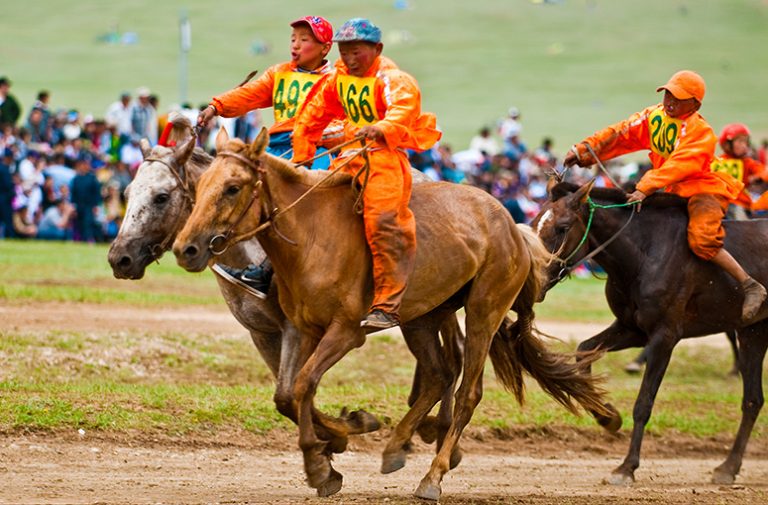
Many international travellers still visit the same regions at the same time of year. Central Mongolia, the Gobi, Naadam, and a small number of well-known routes receive much of the attention. Other regions, communities, and stories are often overlooked.
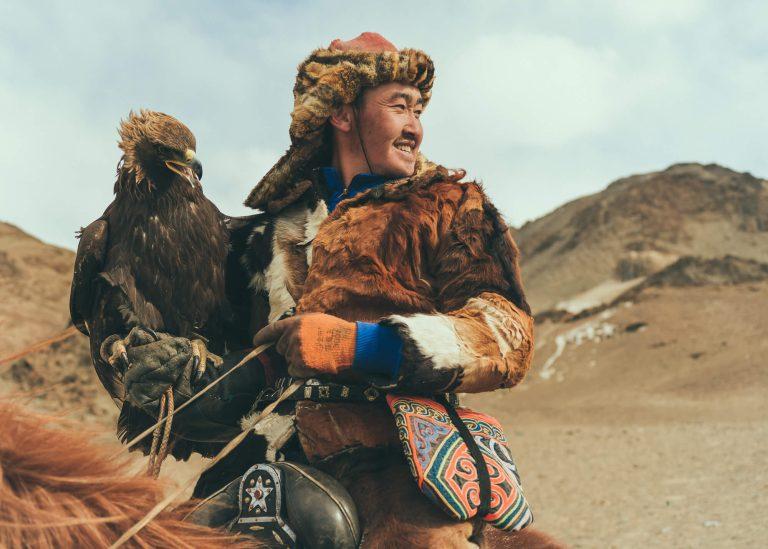
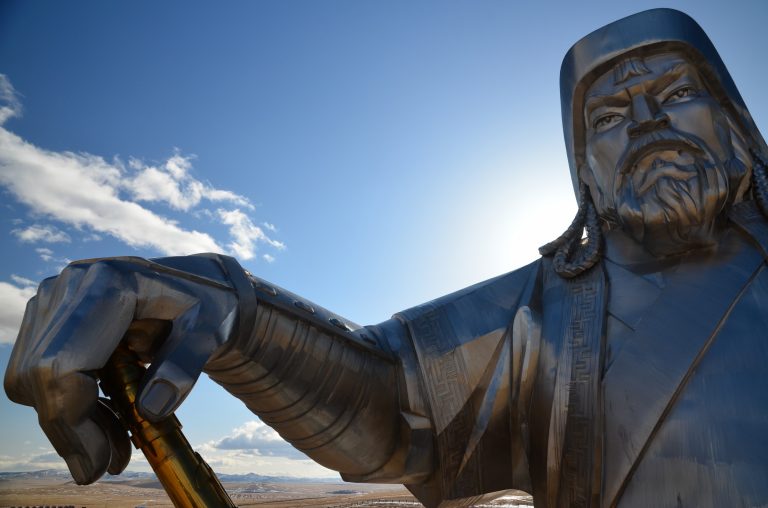
There is also still a tendency to market Mongolia through a narrow lens: endless open landscapes, Chinggis Khaan, eagle hunters, camels, horses, and “nomadic” life. These are all part of Mongolia, but they are not the whole story.
Modern Mongolia is complex. Around 75% of Mongolians are not engaged in herding or nomadic livelihoods, and more than two-thirds of the population live in urban areas, including Ulaanbaatar, provincial capitals, and smaller towns. People are balancing tradition, education, employment, climate pressures, migration, family responsibilities, and the realities of a rapidly changing country.
We believe travel should make space for that complexity.
As travel writer Stuart Kenny puts it:
“Sustainable travel cannot simply mean arriving at a destination by train, bringing a bamboo toothbrush and drinking out of a keep cup when you get there. It must mean regenerative—actively benefiting the people who live in these cities and the wild places that we visit, and who make these destinations so special.”
That idea resonates deeply with us. Responsible travel is not only about reducing harm. It is about ensuring that the people who shape a destination are part of its future and benefit from the opportunities tourism creates.

Why We Include Ulaanbaatar
Ulaanbaatar is often treated as somewhere to pass through quickly.
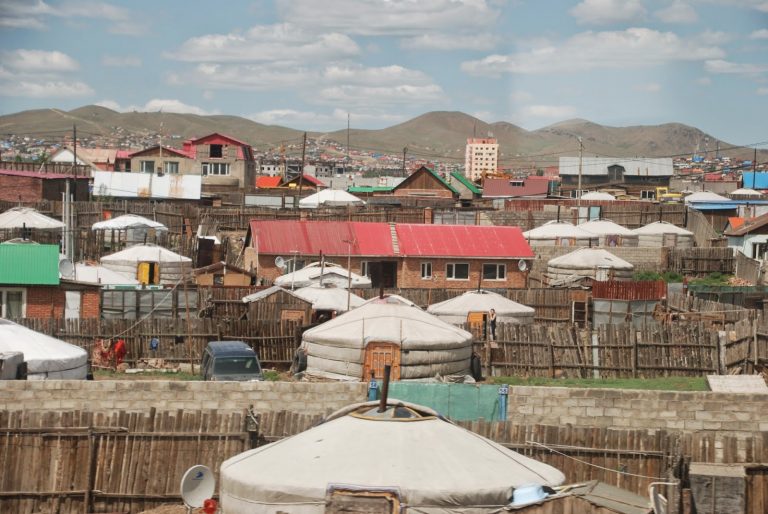
We understand why. The city can be difficult. It has traffic, air pollution, urban sprawl, limited green space, and the pressures that come with rapid growth. It does not always fit the image of Mongolia that travellers arrive with.
But Ulaanbaatar is essential to understanding Mongolia.
It is where many Mongolians live, work, study, organise, protest, create, raise families, and build their futures. Leaving it out of a journey can make Mongolia seem more romantic, but less real.
That is why we include Ulaanbaatar in our experiences. Not as a polished city break, but as part of the wider story of Mongolia today.
Our Responsibility as a Tourism Company
Eternal Landscapes is a Mongolian registered company. We pay taxes in Mongolia, employ Mongolian team members, and work through long-term local community partnerships.
But we also recognise that our co-founder, Jess, is from the UK. That matters. It means we have a responsibility to keep asking difficult questions about ownership, benefit, voice, and representation.
We do not always get everything right. But we try to be honest about the choices we make.
We work with Mongolian women as trip assistants and guides. We work with older male drivers whose knowledge, patience, and practical skills are often overlooked in a tourism industry that increasingly values English-speaking driver-guides with newer vehicles. We work with herder families, small community projects, local NGOs, national park staff, and people whose lives do not always fit neatly into tourism marketing.
This is not always easy work. It is personal, imperfect, and often slower than a more standard tourism model.
But it is the model we believe in.
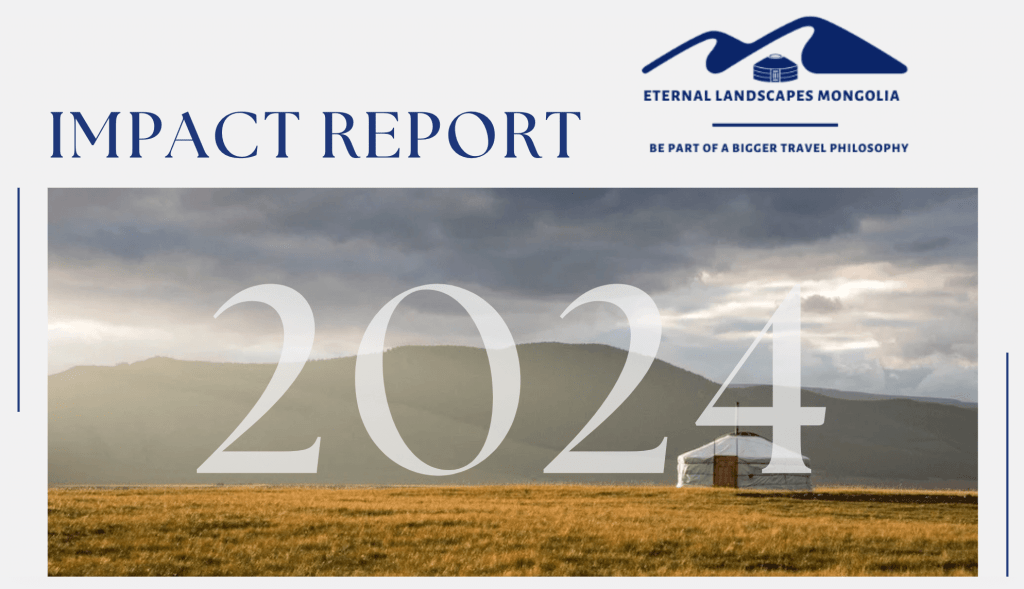
About Our 2024 Impact Report
Our 2024 Impact Report is our first attempt to bring this work together in one place.
It shares what we are doing, what we are learning, and where we still need to improve. It is not a finished statement. It is a starting point.
We have published it because we believe small tourism companies should still be accountable. Not only for what guests experience, but for what happens behind the scenes: how people are paid, how partnerships are built, how decisions are made, and how the benefits of tourism are shared.
We know impact travel is not always the main reason someone books a trip. But we also know that once you choose to travel, your choices matter.
For us, being rooted in Mongolia means staying connected to the people, places, and responsibilities that make our work possible.
Thank you for taking the time to read our report.
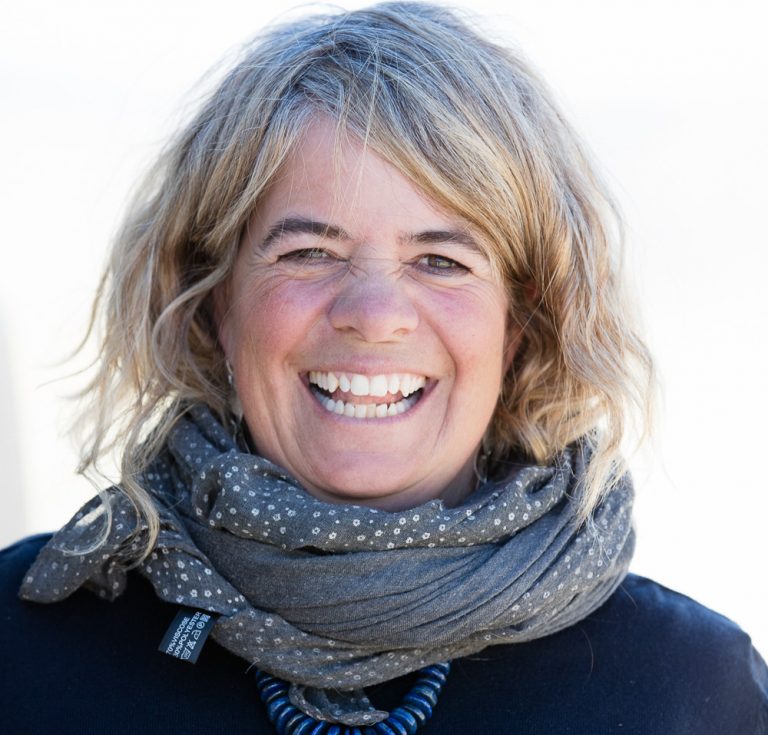
Jess @ Eternal Landscapes