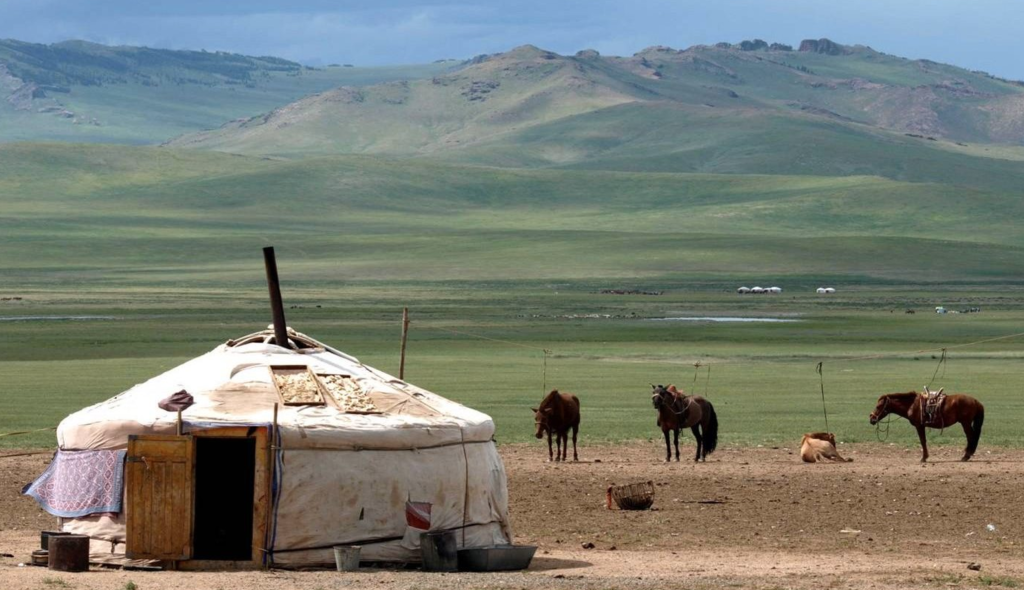
A Mongolian ger - Gorkhi Terelj National Park in summer in your guide to Mongolia's seaons

Best Time To Travel To Mongolia

Mongolia doesn’t have a single “best” season — it has four, and each one asks something different of you. Summer can be hot and busy. Winter is fiercely cold. Spring is windblown and unpredictable. Autumn is crisp, clear, and fleeting. The real question isn’t when you should go, but what kind of journey you want: festivals or quiet, culture or wilderness, comfort or challenge. This guide breaks down what to expect in each season — so you can choose the timing that fits you.
Jess - Who We Are - Eternal Landscapes Mongolia
Jessica Brooks
Eternal Landscapes
Be informed of the latest articles
Subscribe To Our Newsletter

Best Time To Travel To Mongolia

Mongolia isn’t a “pack light and hope for the best” destination. It has four very distinct seasons, and each comes with its own weather curveballs — and its own reasons to visit.

Instead of chasing a single “best” month, this guide helps you choose the best time for you: based on comfort levels, landscapes, festivals, photography, and how flexible you like your travel days to be.

Quick Facts: Mongolia Weather & Seasons

  • Seasons: Spring (Mar–May), Summer (late May–Aug), Autumn (Sep–Oct), Winter (Nov–Feb)

  • Climate type: Extreme continental (big temperature swings, low humidity)

  • Average altitude: ~1,580m above sea level

  • “Land of the Blue Sky”: ~260 sunny days per year (not just in summer)

  • Coldest period: Dec–Feb (can reach -50°C in some regions; Ulaanbaatar often -35°C)

  • Hottest period: Jun–Aug (Gobi commonly 30°C+)

  • Wind: Strongest and dustiest in spring

  • Rain: Most likely in summer (still variable year to year)

  • Packing reality: It’s normal to need both sun protection and thermals on the same trip, depending on region and timing

Table of Contents

The Climate In Mongolia

Mongolia sits high in Central Asia, and its mountain ranges help block humid air masses — creating an extreme continental climate. That means:

  • summers are often short and can be warm to hot,

  • winters are long, dry, and seriously cold,

  • and weather can change quickly, sometimes within the same day.

Temperatures also vary hugely by region. The Gobi can be hot in summer, while the north and higher-altitude areas stay much cooler.

Climate Change in Mongolia

Mongolia’s climate has warmed significantly since the mid-20th century (estimates vary by source). Warming trends are linked with water scarcity, desertification, and pasture degradation, and they intensify risk from droughts, floods, sand storms, and dzuds — events that can have devastating impacts on herding livelihoods.

What To Pack, Whatever The Season

If you only take one thing from this post, make it this: pack for contrast. Mongolia rewards preparation.

  • Windproof outer layer (especially spring and open steppe year-round)

  • Thermals (even in summer for cold nights, especially in the north)

  • Sun protection (hat, sunglasses, SPF — the high altitude makes sun strong)

  • Sturdy footwear (dust, gravel, mud, snow depending on season)

  • A scarf or buff (wind, dust, warmth)

  • Flexible mindset: roads, weather, and local rhythms shape the day

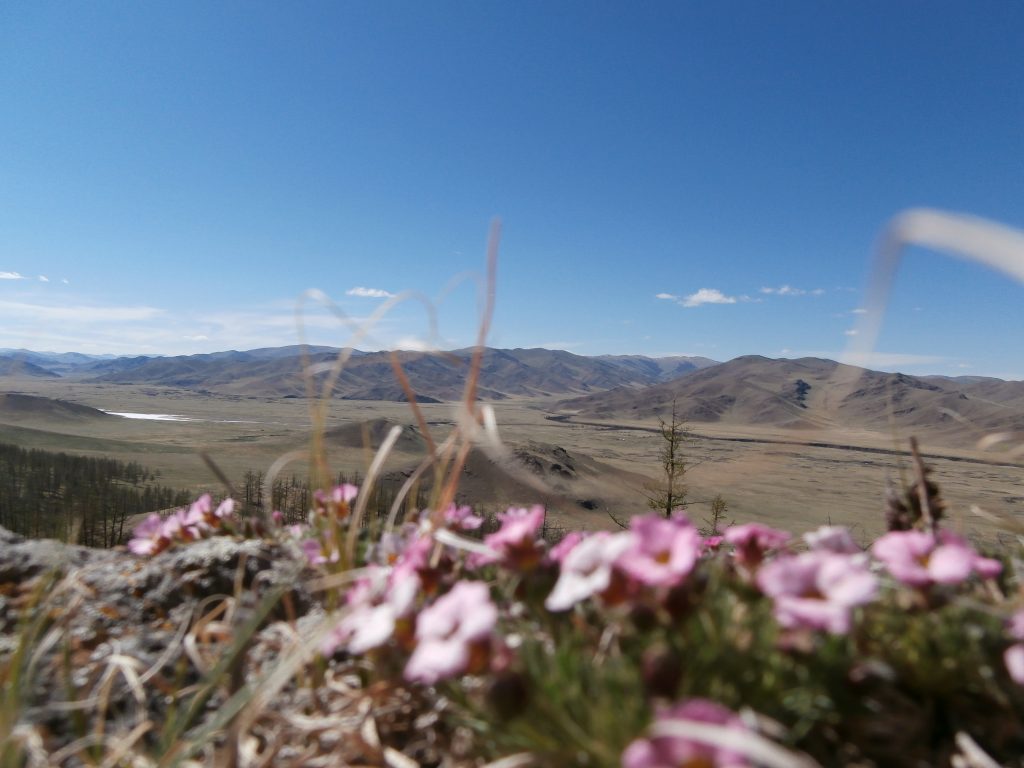
Spring flowers against the backdrop of the Khangai Mountains that dominate Mongolia's Orkhon RIver Valley

Spring in Mongolia (March to May)

  • Expect: few visitors, dry air, big temperature swings, and a lot of wind
    Typical temps: Day 10–20°C, Night 0–10°C (with late cold snaps possible)

Spring is Mongolia’s most unpredictable season — and Mongolians will tell you it can be the hardest. After a long winter, livestock are thin, herding work is intense, and rain can be slow to arrive. Winds often bring dust across wide areas (not only the Gobi), and it can feel raw even on sunny days.

And yet: when precipitation finally comes, the shift is immediate. Fresh growth appears, newborn animals arrive, and the whole country feels like it exhales.

Why spring is worth it

  • You see herding life at its most active and real

  • Newborn livestock and the cashmere harvest bring daily momentum

  • Quiet roads and fewer travellers can make the experience feel more spacious

What to bring in spring

Windproof jacket, scarf/buff, thermals, sunglasses (dust + sun), and shoes you don’t mind getting dirty.

Spring highlights to plan around

  • Nauryz (Kazakh New Year) in Bayan-Ölgii (late March)

  • Ulaanbaatar Marathon (third Saturday of May) + car-free streets in the city

Visit for: Nauryz, cashmere season, and newborn livestock.

Summer in Mongolia (Late May to August)

  • Expect: peak travel season, greener landscapes (especially after rain), and festival energy
  • Weather: often sunny, but changeable — rain and humidity can appear, especially July–Aug

Summer is busy — for visitors and for herding families. Summer rains bring grass growth, and livestock are moved to find better pasture. It’s also called the “White Season” because milk is processed into foods like airag, orom, and aruul.

Schools break for the summer, and many Mongolian families travel domestically — which adds to the sense of movement, celebration, and noise (in a good way).

Summer is for festivals

Naadam is the best-known, but it’s not the only one. Mongolia’s summer calendar also includes music and contemporary culture festivals in and around Ulaanbaatar and beyond.

Visit for: Naadam across the country, green steppe, long daylight hours, family and community life in full flow.

Mongolia Naadam Festival Opening Ceremony

The remote Baldan Bereeven Khiid Monastery. It is a tough drive to get here so don't just come for an hour. Stay a day and make the most of the tranquillity.

Autumn in Mongolia (September to October)

  • Expect: fewer visitors, crisp days, clear skies, and calmer roads
  • Typical temps: Day 0–20°C, Night -5 to +5°C

Autumn in Mongolia is a time of clear air, golden steppe, and cooler temperatures that make long drives and open landscapes feel easier.

There’s a Mongolian saying: “Autumn is after Naadam.” The season can arrive earlier than many travellers expect, and by September the country begins to shift into winter readiness: harvesting, cutting fodder, and returning to school routines.

Why autumn is a favourite

  • Cooler temperatures suit the Gobi particularly well

  • Roads (especially in wetter regions) are often drier than in mid-summer. It makes it a great time to explore Khentii Province.

  • Photography conditions can be exceptional: light, colour, and visibility

Autumn culture & events

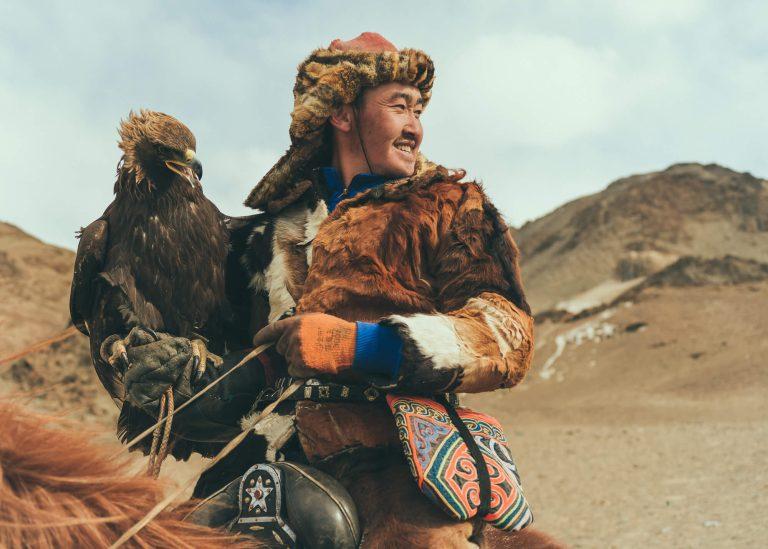
Visit for: eagle festivals, horseback archery, and star-filled nights.

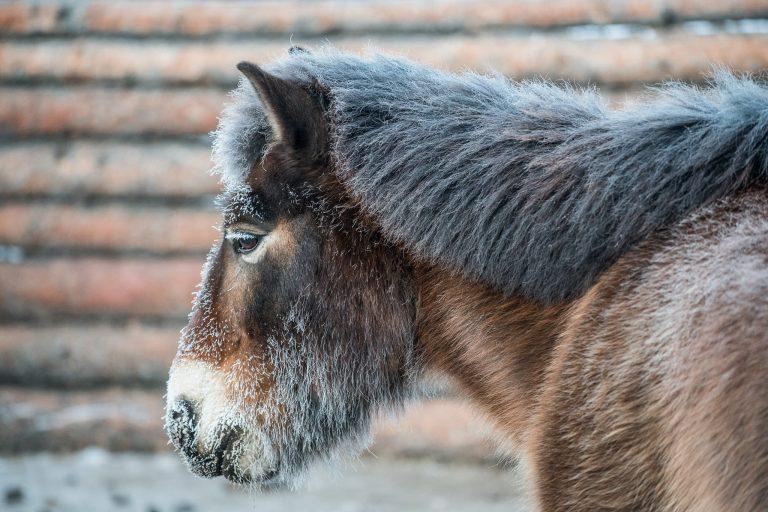
A Mongolian yak herder battling the winter weather conditions during winter in Mongolia

Winter in Mongolia (November to February)

  • Expect: the quietest season, dramatic light, deep cold, and real winter conditions
  • Weather: dry, bitterly cold; temperatures vary widely by region

Winter is a defining Mongolian season. It can be tough, and it asks more of you — but it also reveals a side of Mongolia that summer can’t.

The cold is intense, but it’s often a dry cold, which can feel different to damp winter climates elsewhere. With the right clothing, winter becomes something you move through — not something that stops you.

Winter traditions & timing

  • Tsagaan Sar (Lunar New Year) falls in January or February (dates vary year to year)

  • Mongolia also marks winter through traditional “nine nines” (81 days) — a way of tracking the season’s progression that mattered long before calendars were common in the countryside

Winter festivals

Many winter festivals are community-led and locally meaningful, bringing people together during an isolating time of year (including the Khovsgol Ice Festival, among others).

Visit for: Tsagaan Sar, winter festivals, remarkable light, and the raw clarity of winter landscapes.

So… When Is the Best Time To Visit Mongolia?

The honest answer: there isn’t a “perfect” season — only the right match for your travel style.

  • If you want festivals, green steppe, and peak energy? Choose summer.

  • If you want clear skies, cooler days, and fewer people? Choose autumn.

  • If you can live with a bit of discomfort — and you want to meet Mongolia on its own terms — choose winter.

  • If you want real life (a working season )with fewer travellers (and you can handle wind)? Choose spring.

For more ideas on when to go — and where makes sense for your pace — explore our Mongolia experiences. Or message us with a few rough dates and what matters most, and we’ll help you shape the right fit.

Share this article
Mongolia's Terkhiin Tsagaan Nuur National Park
The Mongol Kazakhs Of Western Mongolia
Mongol Kazakh eagle hunter
Our Mongolia Tours
Browse our range of Mongolia trips. We offer experiences rather than tours and provide you with freedom and flexibility as well as a genuine and personal introduction to the real Mongolia – a Mongolia...
Read More ...
More from our blog
All
Experiences In Mongolia
From The Archive
General
Mongolian Culture
Our Community In Mongolia
Our Philosophy & Advocacy
Our Practical Guides
Travel Destinations
Ulaanbaatar
Screen Shot 2018-11-09 at 16.14
1 2 3 46