

Ulaanbaatar: The Vibrant Capital
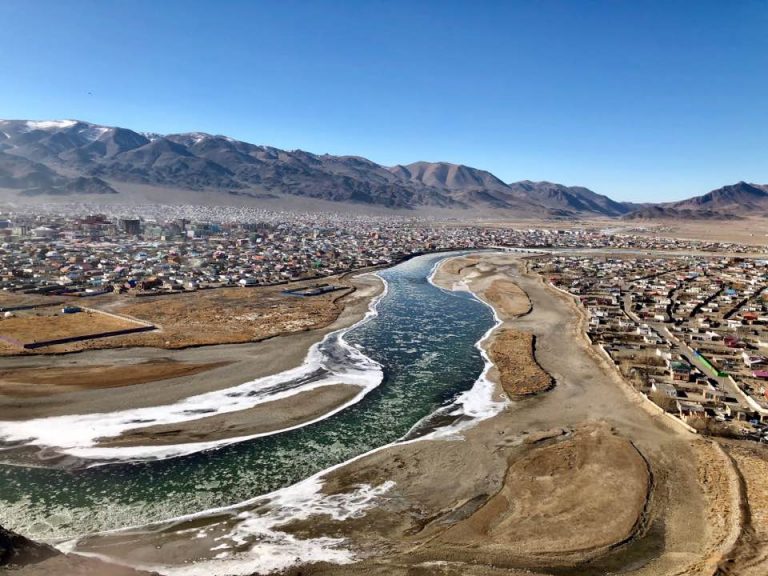
Ulaanbaatar, the capital of Mongolia, is a unique blend of old and new, with a strong Mongolian identity and a vibrant frontier spirit. Home to over half of Mongolia’s population, Ulaanbaatar faces its challenges and often resembles a car park, yet it remains the beating heart of Mongolia and the hub of contemporary urban life.

For many Mongolians, daily life unfolds in this urban setting as they study, work, create, build businesses and help shape the future of their city. Ulaanbaatar deserves to be appreciated and explored as the urban centre it is, not simply passed through on the way to the countryside.
While many travellers are keen to leave after a day or two, summer brings some of Mongolia’s most iconic festivals and events to Ulaanbaatar. The city hosts the State Naadam Festival, Mongolia’s premier national celebration, centred on the “Three Manly Sports” of wrestling, horse racing and archery. Summer also brings contemporary music festivals such as Playtime, as well as open terraces, cold beer, long sunsets and a lively urban atmosphere.
Northern Mongolia: A Tranquil Retreat
Northern Mongolia is often associated with Khövsgöl Nuur, one of the country’s most famous lakes and a major summer destination. Khövsgöl Nuur National Park is undoubtedly a highlight, but it can get busy, especially around Naadam when Mongolian families travel during the extended public holiday.
However, northern Mongolia offers a much wider diversity of culture, people and landscapes, making it worthwhile to look beyond Khovsgol or combine it with other locations and activities.
You can trek or horse ride through the Khoridol Saridag Mountains, a magnificent 150 km-long mountain range stretching between the western shore of Khovsgol Nuur and the Darkhad Depression. The area is renowned for its sharp peaks, deep narrow gorges, steep slopes and wide valleys.

You can also experience the scenic beauty and cultural heritage of Selenge Province by train, or explore the landscapes around Galt on a mountain biking adventure. Around Mörön, the ancient deer stone site of Uushigiin Uver features well-preserved Bronze Age carvings and offers a fascinating glimpse into Mongolia’s ancient history.
The Central Heartland: Cultural and Spiritual Core

The central heartland of Mongolia is one of the most rewarding regions to experience in summer. Easily accessible from Ulaanbaatar, this region offers a mix of history, spiritual significance, sacred landscapes, herding life, horse riding, hiking and slower rural travel.
The Orkhon River Valley is one of Mongolia’s most important cultural landscapes and is part of a UNESCO World Heritage Site. Here you can explore Kharkhorin, the ancient capital of the Mongol Empire, visit Erdene Zuu Monastery, and spend time in the wider Orkhon Valley, where herding families continue to live and move with the seasons.
The region is also home to monasteries such as Tövkhön Khiid, the rolling hills of Arkhangai Aimag, the alpine lake and volcanic craters of Terkhiin Tsagaan Nuur, volcanic craters, river valleys, rugged mountains and open steppe. The granite massif of Khogno Khan is another favourite location, offering a striking contrast of rocky hills, open steppe and sand dunes.
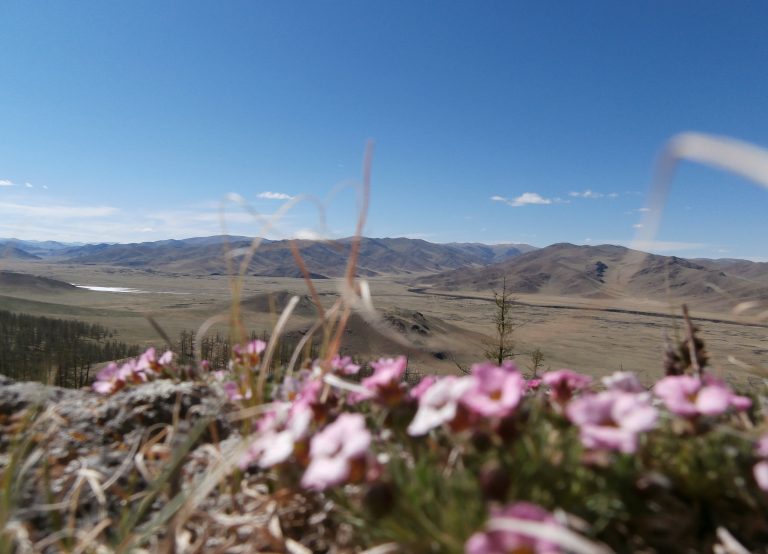
The Khangai Mountains receive more reliable rainfall than many other parts of Mongolia, providing rich summer pasture for herders. This makes the central heartland an ideal place to slow down and experience the rhythms of rural Mongolian life: livestock grazing, dairy products being made, horses being brought in, and families watching the sky carefully for rain.
Western Mongolia: Land of the Kazakh Eagle Hunters
Western Mongolia is renowned for the Altai Mountains and the culture of the Mongol Kazakhs. It is one of the most dramatic regions of Mongolia, with high peaks, river valleys, open pasture, forested hillsides and a strong sense of cultural identity.
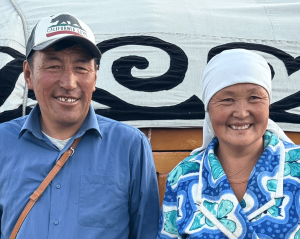
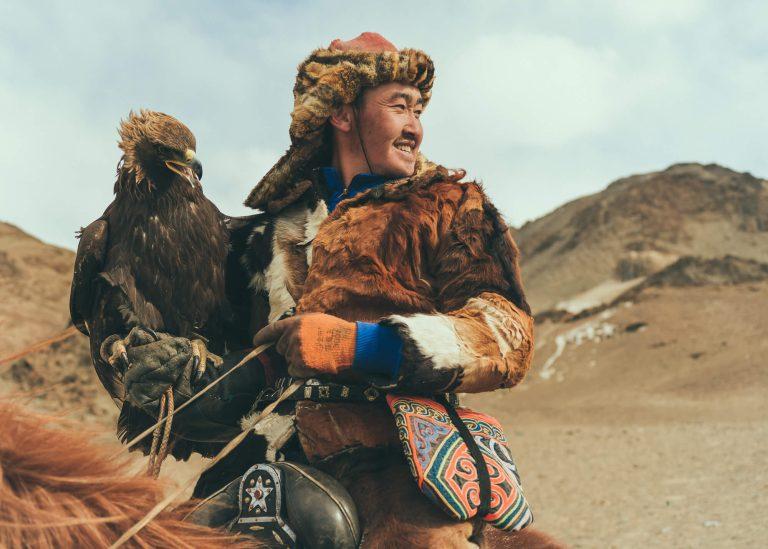
Summer is a meaningful time to learn about the way of life of Mongol Kazakh eagle hunters, most of whom are also herders. The eagles are typically rested during the warmer months, which is also their natural moulting season, giving the birds a necessary pause before autumn and winter return. Visitors can still meet eagle hunters and their families and learn about a way of life lived alongside their eagles, but the eagles themselves are not working.
The Altai Mountains offer breathtaking trekking locations, although there are no formal trekking routes or marked trails in many areas. While the high peaks of Altai Tavan Bogd National Park are deservedly popular, the Yolt region and the snow-capped peak of Tsengel Khairkhan are equally captivating.
Alternatively, you can connect the central heartland with western Mongolia on a rugged road trip through Zavkhan Province. Highlights include Khar Nuur and its surrounding landscapes, as well as the sacred Otgon Tenger Mountain. This journey offers an opportunity to experience some of Mongolia’s most varied scenery while connecting different regions, cultures and landscapes.
The Gobi: Desert Adventures
The Gobi Desert is a land of contrasts, offering dramatic landscapes and an unforgettable road trip adventure. However, summer in the Gobi can be extremely hot, and travellers should be prepared for desert conditions, strong sun and long distances.
Many travellers fly to the Gobi for a short three- or four-day highlight loop, but this approach can limit the opportunity to experience the diversity of the landscapes and to better understand the resilience of herding families living in one of the world’s most extreme environments.
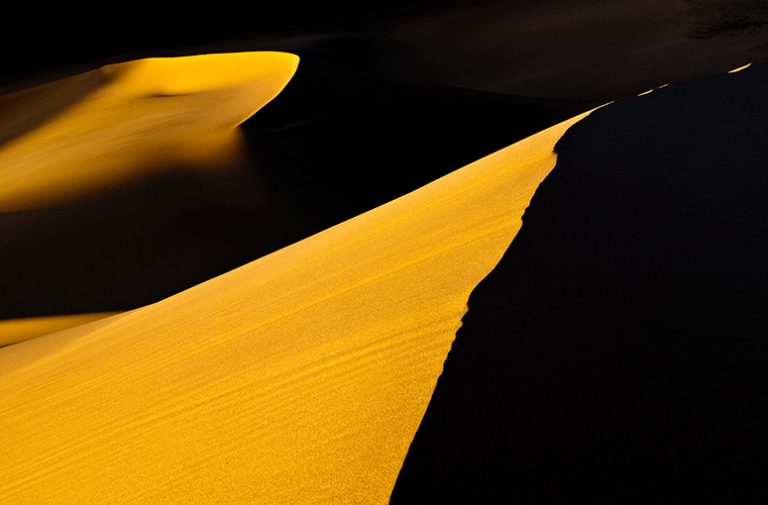
The classic southern Gobi highlights include the singing dunes of Khongoryn Els and the Flaming Cliffs of Bayanzag. However, we also recommend looking beyond the most famous sites.
Khermen Tsav is one of the most remote and challenging journeys in Mongolia. This red canyon features stunning sandstone formations stretching for 15–20 km. It should not be undertaken lightly, but the lack of roads, the vastness of the space, the silence except for the wind, and a magnificent sunset in this extraordinary location offer a rare sense of perspective.

The granite rock formations of the Middle Gobi are also captivating. Despite the diversity of its landscapes, the Middle Gobi remains largely overlooked by many international visitors, who often head directly to the more famous attractions of the southern Gobi. Locations such as Ikh Gazriin Chuluu offer open steppe, rock formations, local stories and a quieter experience of Gobi life.

Eastern Mongolia: Steppes and History
Eastern Mongolia is characterised by wide-open steppe, important historical sites and a sense of space that is difficult to describe until you experience it. It is less visited than other regions, which makes it especially rewarding for those interested in slower, more exploratory travel.
In addition to the historical landscapes of Khentii, we love the expansiveness of Shiliin Bogd, one of Mongolia’s most sacred mountains, and the sheer fun of spending time with holidaying Mongolians on the shores of Buir Nuur near the eastern border.

Khamariin Khiid remains an important spiritual centre: a monastery and place of pilgrimage for Mongolians and followers of Buddhism. It is conveniently accessible by local train to Sainshand, where you can connect to Khamariin Khiid with a local driver.
This journey can also be combined with Ikh Nart Nature Reserve in Dornogobi Aimag. This small reserve, with its rocky terrain and canyons, is home to a wide diversity of flora and fauna. It is also a long-term study site for a collaborative project between Denver Zoo and the Mongolian Academy of Sciences.
Eastern Mongolia offers a deeper understanding of Mongolia’s cultural heritage, spiritual landscapes and natural beauty, away from the more frequently visited tourist routes.
Visiting Mongolia In The Summer: What To Know
Summer in Mongolia is a time of exploration, connection and discovery, but it is also important to travel with realistic expectations. This is peak season, and although the weather is generally warmer, it can still be unpredictable. Climate change is also making weather patterns harder to rely on, with sudden storms, heavy rain, extreme heat and travel disruptions all possible.
If you plan to stay with herding families, remember that their way of life takes priority. Summer is a busy working season. Animals need grazing, water and daily care. Mares are milked for airag, dairy products are made, and families watch the sky carefully. Rain is vital. Good summer rain brings rich pasture, but if grazing is poor, families may make short otor movements — temporary migrations in search of better pasture.
Visiting a Mongolian herding family can be a rewarding cultural experience, but it is important to do so respectfully. Respect their privacy and boundaries, seek permission before taking photos, and be mindful of local customs and daily responsibilities.
Through our long-term partnerships with local herding families, drivers, guides and community partners, we offer our guests a chance to experience Mongolia as it is lived: rural and urban, traditional and contemporary, practical, changing and full of life.
Summer in Mongolia is beautiful, busy, weather-shaped and full of movement. To travel here at this time of year is not simply to look at Mongolia, but to experience it as it is lived.