

The Gobi Desert Mongolia: Our Guide
When people imagine Mongolia’s Gobi Desert, they often picture endless sand dunes and little sign of life. But the Gobi is much more than sand. It is a landscape of gravel plains, rocky mountains, dry valleys, natural springs and areas of desert steppe. There are dinosaur fossils, rare wildlife, Buddhist monasteries, small towns and herding communities. And, although the landscapes can appear almost empty, they are full of histories and connections.
I have been travelling through Mongolia’s Gobi since 2006, and it remains one of my favourite regions of the country. Not just because of its famous landmarks, but because of the enormous gravel plains, the changing landscapes and the ordinary moments along the road.
For us at Eternal Landscapes, exploring the Gobi is about appreciating this diversity rather than simply visiting a list of must-see sights.
Mongolia’s Gobi Desert – At a Glance
- The Gobi Desert extends across southern Mongolia and northern China and is one of the world’s largest deserts, covering approximately 1.3 million square kilometres.
- Rather than being dominated by sand dunes, it consists largely of gravel plains, rocky landscapes, mountains and desert steppe.
- Mongolia’s Gobi is known for its dinosaur fossils, the Khongoryn Els Sand Dunes, Gobi Gurvan Saikhan National Park and wildlife including khulan (Asiatic wild ass), wild Bactrian camels and the critically endangered Gobi bear.
- It is also home to herding communities, towns and a growing mining sector.
- Visitors can explore the region on overland journeys, staying with local families, visiting historic and natural sites and discovering the diversity of life in the Gobi.

Table of Contents
“Mongolia’s Gobi Desert seems like earth reduced to its most basic elements: rock, sky, glaring sunlight and little else. The apparent emptiness is both compelling and intimidating. But the Gobi is not empty; it is filled with space, sky, history and landscapes.”
Understanding The Gobi Desert
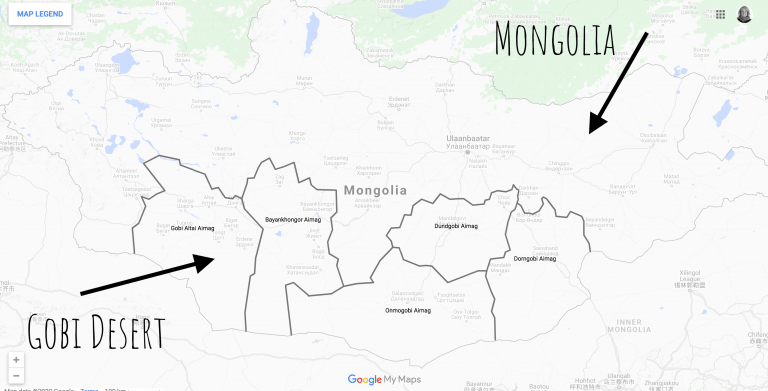
The Gobi stretches across southern Mongolia and northern China, covering an immense area of approximately 1.3 million square kilometres. In Mongolia, the Gobi landscape extends across several provinces, including Ömnögovi, Dundgovi, Dornogovi, Bayankhongor and Govi-Altai.
‘The word gobi denotes a desert or a waterless place but doesn’t really mean anything by itself. The Mongolians have many descriptive words for types of gobi, like the Eskimo and Scandinavians with their words for snow. There are supposed to be thirty-three Mongolian words for gobi – such as gravel, sand, bare earth, rock, mountain, dune, watering place, and those describing various types of vegetation. The ancient Gobi was more like an East African savannah – long grasses and some trees, with lakes and marshes. Successive waves of drought turned it into the more barren land it is today.’
It is often described simply as a desert, but this single word does little to convey its geographical variety.
The Mongolian word говь (govi, often written gobi in English) refers to an arid or desert landscape. But Mongolians also say that there are 33 different kinds of Gobi. Whether or not you could identify all 33 while travelling, the idea captures something important: this is not one uniform landscape.
There are mountain ranges rising from the plains, areas of bare rock and gravel, stretches of sand, dry riverbeds and places where underground water reaches the surface, supporting vegetation and wildlife.
In his book Tracking the Gobi, John Man writes about this extraordinary variety, describing how the ancient Gobi was once a very different environment, with lakes, marshes and vegetation supporting a diversity of life. The landscape we see today is the result of geological and climatic processes extending over millions of years. And even now, it is continually changing.
The Green Gobi
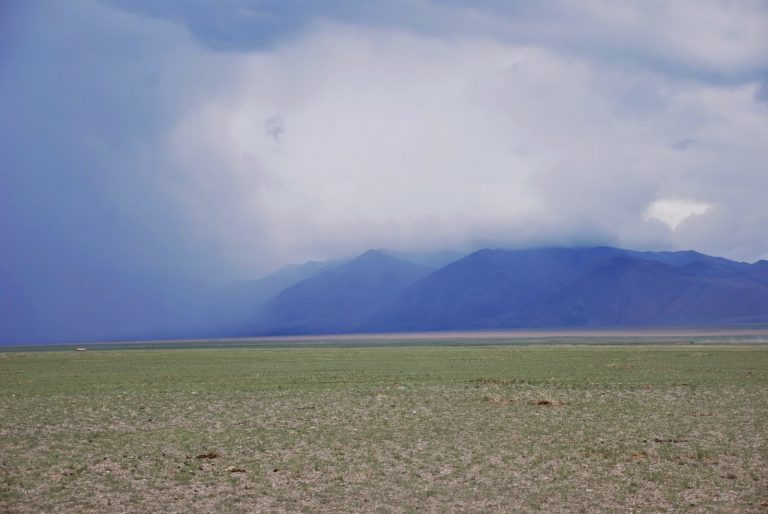
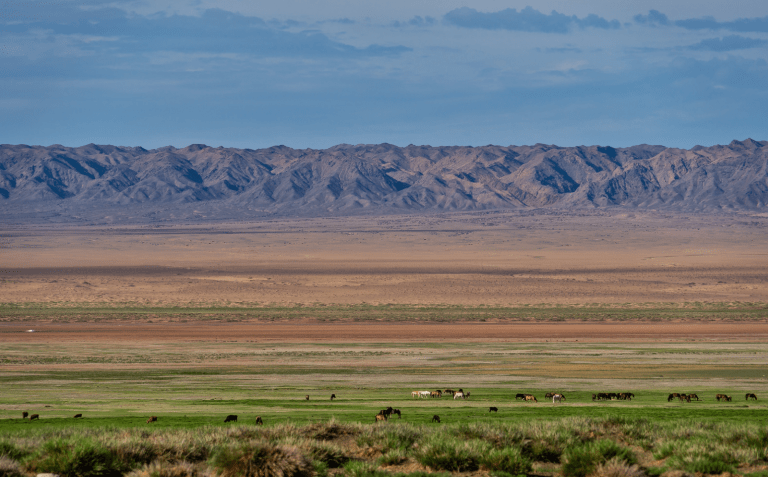
Despite its dry climate, the Gobi can become surprisingly green following rainfall. Grasses and other plants emerge, temporary pools form and areas that appeared almost lifeless begin to support new growth.
Of course, this varies considerably between years. Rainfall is unpredictable, and drought can have serious consequences for both wildlife and herding families.
The Gobi supports a surprising variety of species, including khulan (Asiatic wild ass), wild Bactrian camels, Gobi bears and, in its mountain regions, snow leopards. Smaller mammals such as jerboas, gerbils and pikas are also important parts of the ecosystem.
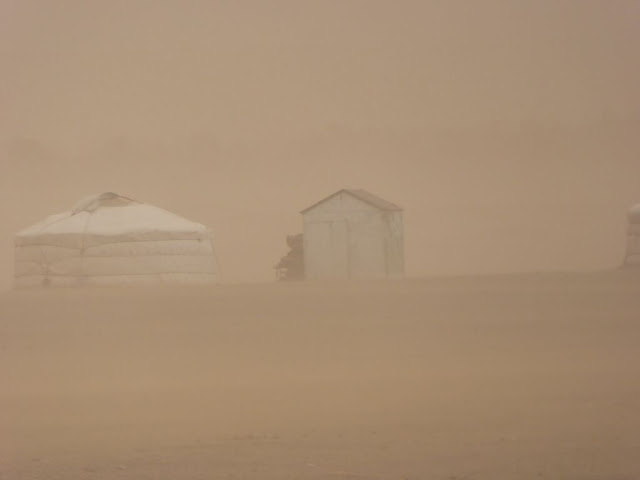
Spring can bring powerful dust storms, known as ugalz when particularly intense. These storms are not limited to the Gobi but occur across Mongolia, sometimes arriving suddenly and dramatically reducing visibility.
Desert plants have adapted to survive with limited water, providing food and shelter for wildlife and livestock.
One of the things I enjoy about the Gobi is how quickly your expectations can change. A seemingly barren landscape can reveal an extraordinary amount of life when you take time to look more closely.
A Cultural Landscape
The Gobi is not simply a wilderness. It is a working landscape where people have lived for generations, adapting to considerable seasonal differences in temperature, rainfall and grazing conditions.
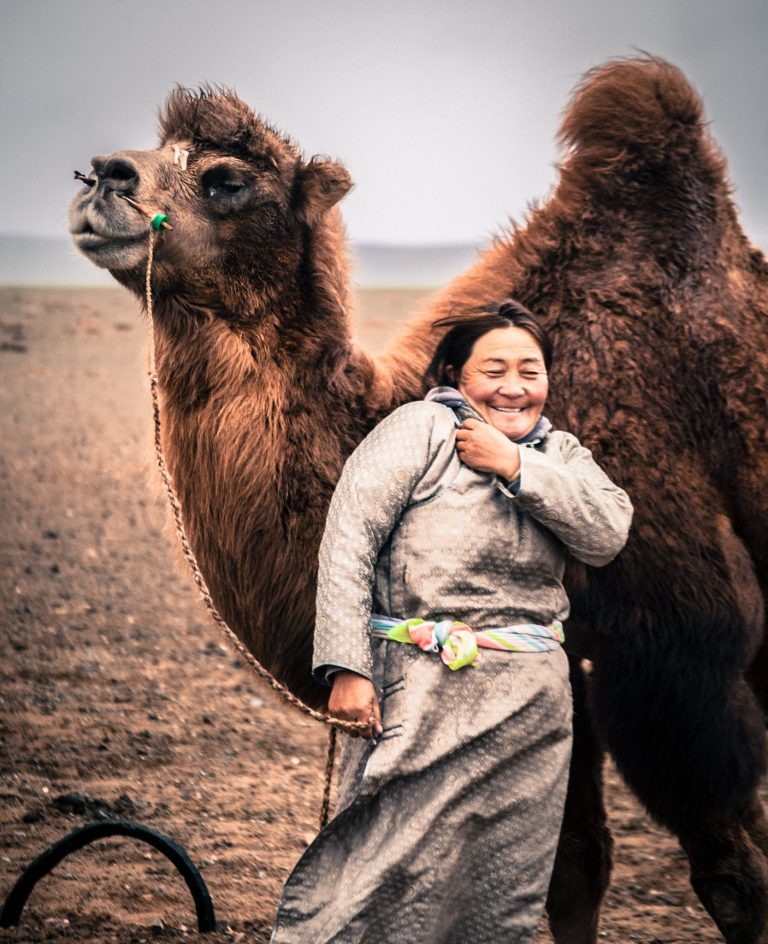
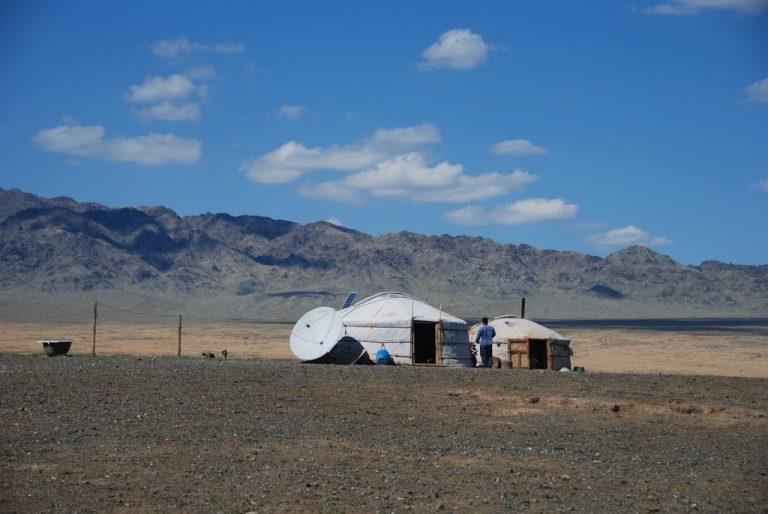
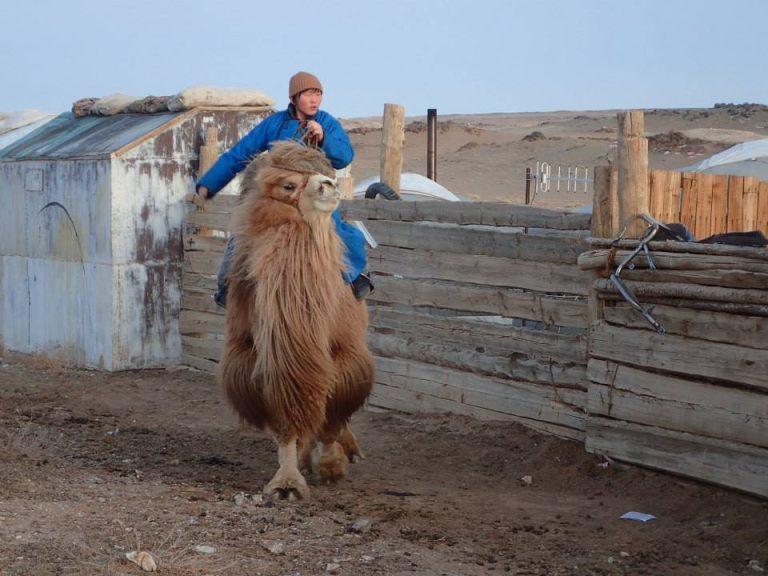
Herding families raise camels, goats, sheep and other livestock, moving between seasonal pastures according to the availability of water and vegetation.
Today, these communities face challenges from climate change, land degradation and competition for resources, including the water demands of mining operations.
Some herding families offer accommodation to visitors, providing an opportunity to share aspects of everyday life while contributing directly to local household incomes.
But the Gobi is home to much more than herding families.
There are miners, drivers, teachers, Buddhist monks, musicians, conservationists, shopkeepers, students and small business owners. Towns such as Dalanzadgad and smaller settlements such as Tsogt-Ovoo are all part of contemporary Gobi life.
For us, getting to know the region means making time for these communities, rather than focusing only on traditional herding lifestyles.







Alpine Mountains & Gorges
One of the best examples of the Gobi’s geographical diversity is Gobi Gurvan Saikhan National Park.
Its rugged mountains rise from the surrounding desert plains, creating narrow gorges, sheltered valleys and areas of alpine vegetation.
Yolyn Am, or Vultures’ Gorge, is one of the best-known locations. Named for the bearded vultures that can sometimes be seen overhead, it is also famous for the ice that forms within its narrow gorge during winter and occasionally remains into early summer.
The mountains support natural springs where underground water emerges through fractures in the rock, sustaining vegetation and wildlife.
It’s another reminder that the Gobi is far more geographically varied than many visitors expect.
Dinosaurs & Bad-Ass Explorers
Mongolia’s Gobi is internationally famous for its dinosaur fossils, which provide evidence of a very different prehistoric environment.
Around 80 million years ago, parts of the Gobi supported rivers, lakes, vegetation and a variety of dinosaurs and other animals.
One of my favourite exchanges with Turuu, my fellow co-founder of Eternal Landscapes, captures the extraordinary timescales involved.
Jess: “When was the Gobi a sea?”
Turuu: “Back when I was a fish.”
During the 1920s, the American explorer Roy Chapman Andrews led a series of Central Asiatic Expeditions through Mongolia. Among their most significant discoveries were dinosaur eggs and fossils at Bayanzag, better known internationally as the Flaming Cliffs.
These discoveries helped establish the Gobi as one of the world’s most important regions for palaeontological research, work that Mongolian scientists continue today.

Camels and the Singing Sands
Although sand dunes occupy only a relatively small part of the Gobi, they are among its most recognisable landscapes.
Khongoryn Els, one of Mongolia’s largest dune systems, stretches approximately 180 kilometres through the southern Gobi. Known locally as Duut Mankhan, or the Singing Sands, the dunes can produce a deep humming sound as sand moves down their slopes.
Climbing them is harder than it looks, with every step forwards often followed by a slide backwards. But the views across the surrounding landscape are memorable.
Camels have also played an important role in the Gobi’s history, particularly as pack animals on the trading routes connecting Mongolia, China and Russia.
Men on Turuu’s side of the family once travelled with these camel caravans, a family connection I have always found fascinating.
Today, we arrange longer camel treks with local herders, allowing visitors to explore beyond the main visitor areas at a different pace.
Read more about Khongoryn Els and our camel trekking experiences.
The Marvellous Middle Gobi
I have a particular affection for the Middle Gobi, the informal name for the region around Dundgovi Province.
While many travellers head directly towards the better-known destinations of the southern Gobi, the Middle Gobi has its own remarkable landscapes and places of interest.
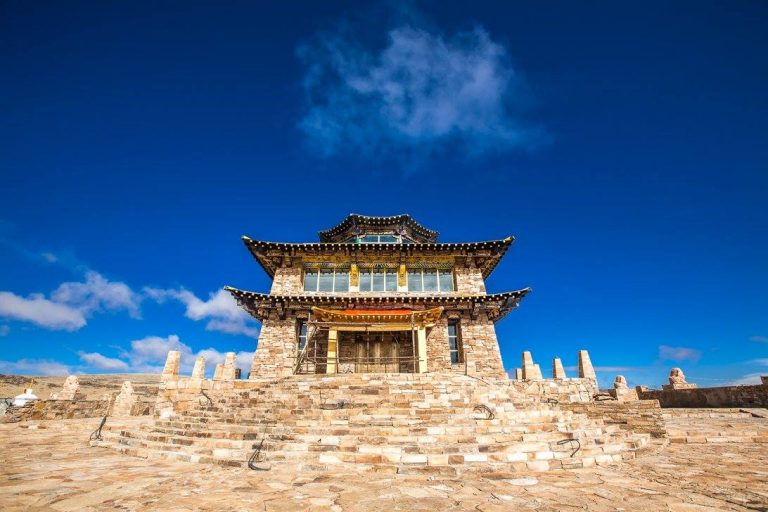
These include Zorgol Khairkhan, with its enormous granite formations rising from the steppe, and historic Buddhist sites such as Delgeriin Choiriin Khiid.
But much of the appeal for me is found in the spaces between these places: the gravel plains, small settlements, roadside restaurants and the changing light across the landscape.
It’s a region that rewards taking your time rather than rushing through.




Life In The Gobi’s Extremities
The Gobi is home to some of Mongolia’s most important protected areas, including the Great Gobi Strictly Protected Area in the southwest.
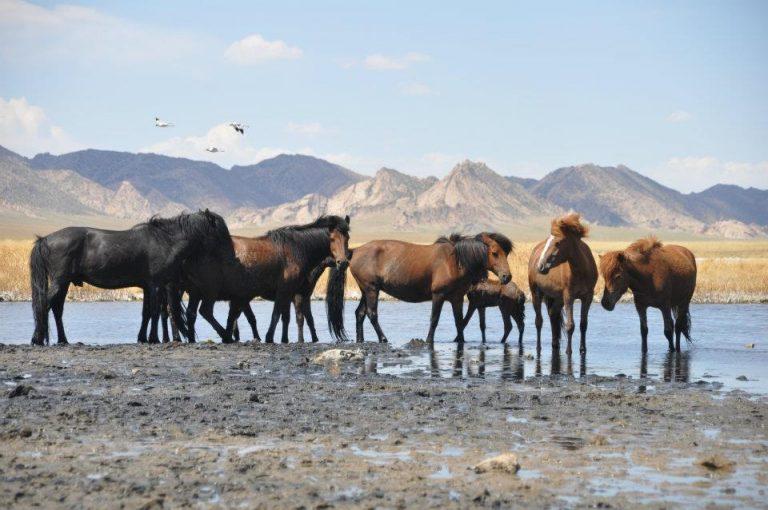
Divided into Great Gobi A and B, these extensive landscapes provide vital habitat for rare wildlife, including wild Bactrian camels, Gobi bears and khulan.
Great Gobi B is also home to the Takhiin Tal reintroduction programme, where Przewalski’s horses have been successfully returned to the wild.
Elsewhere, the Small Gobi Strictly Protected Areas safeguard additional desert ecosystems, including saxaul woodland.
These are important conservation landscapes, not conventional sightseeing destinations. Access may be restricted, and visiting requires an understanding of the rules designed to protect their wildlife and habitats.

Energy Centres
The Gobi also has an important religious and spiritual heritage.
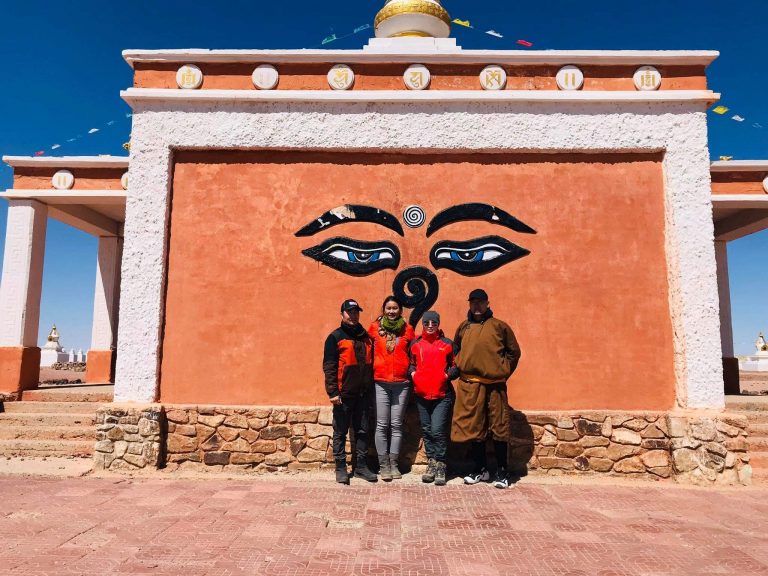
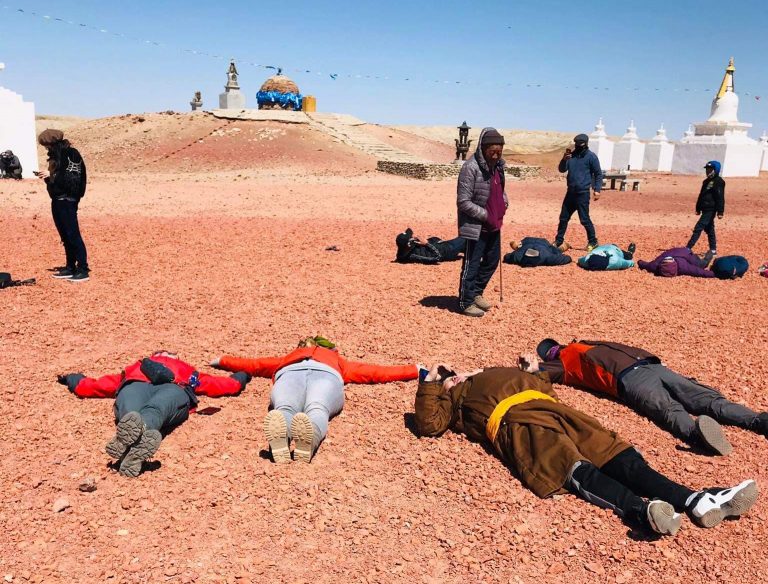
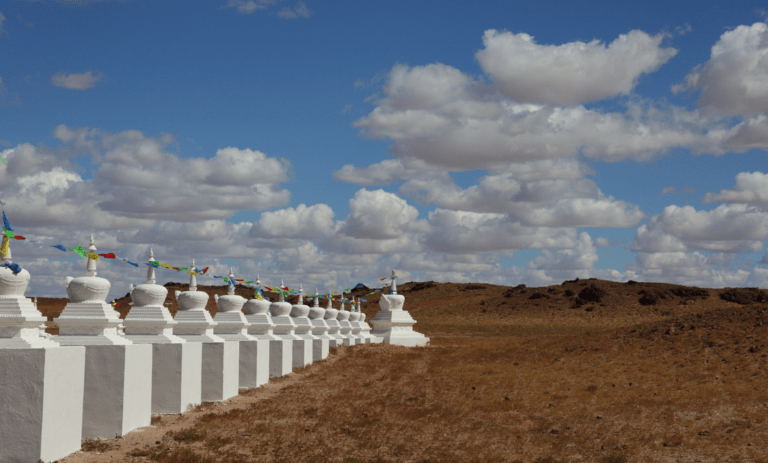
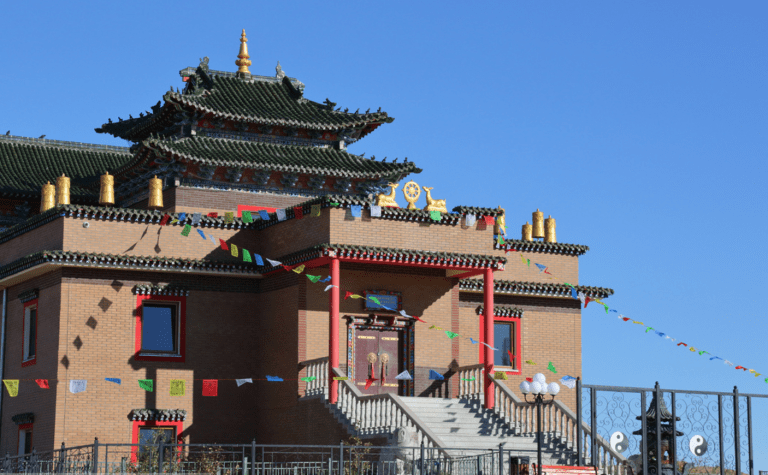
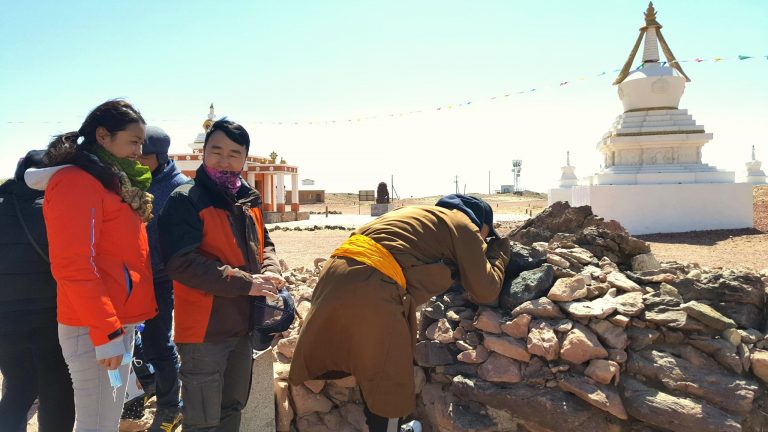
Khamariin Khiid Monastery, established in the 1830s by the Buddhist teacher, poet and artist Danzan Ravjaa, is one of the region’s best-known religious sites.
Located in Dornogovi Province, it remains an important place of pilgrimage for many Mongolians.
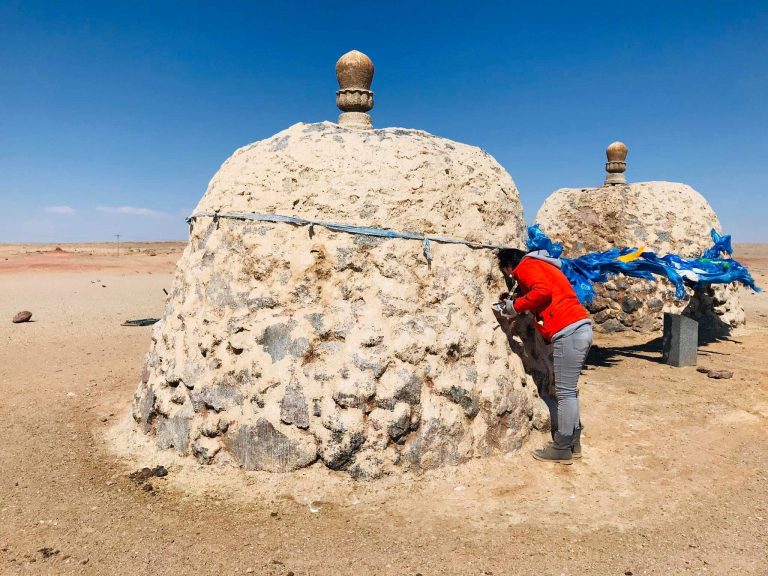
The monastery is closely associated with Shambhala, a legendary spiritual realm within Buddhist traditions. Many visitors come here to pray, make offerings and participate in religious practices connected with the site.
It is another example of the different ways people understand and connect with the Gobi’s landscapes.


‘The Gobi will make you question everything you thought you knew about the desert. It will strip the layers of expectation, familiarity and ‘seen it all before’ mentality from the harshest of critics. No longer will you compartmentalise landscapes into preconceived boxes. ‘The ground was speckled with tuffs of grass, livestock were huddled around a ger and there were drops of water obscuring my view. RAIN?! Barren rocky outcrops, glistening natural springs bordered by lush green trees, wind swept dunes and blazing sunsets amongst the ghosts of prehistoric creatures. From the furgon, the back of a camel and on foot I moved through these changing scenes like the sole actress on a deserted film set.
The remoteness lends itself to a sense of freedom and unconscious ownership. Just when you feel an element of power over the landscape, mother earth will remind you of your perilous position in the world. This tap on the shoulder came to me deep in the middle of the night. The wind embraced the tent with the full force of a bear hug, using my body as a barrier against the side bending to it’s demands, I felt as minuscule as an ant in the wide open steppe.’
Megan Greentree, EL guest
Explore the Gobi Using Our Map
The map below highlights some of our favourite locations across the Gobi, from famous landmarks to smaller settlements and places that have become important to us through years of travelling in the region.
Explore Mongolia’s Gobi Desert With Us
Our small group and tailor-made Gobi journeys combine the region’s best-known landscapes with time spent in local communities and the places between the main destinations.
For us, the Gobi isn’t somewhere to rush through while ticking off landmarks. It is a place to appreciate the changing landscapes, the people who live there and the ordinary moments that become part of the journey.
Jess @ Eternal Landscapes