

The Resurgence of Mongolian Horseback Archery
Few experiences capture the spirit of Mongolia quite like horseback archery—riding at speed across the steppe, reins released, bow drawn, and arrow flying. For centuries, this skill was essential for hunting, herding, and warfare, forging the reputation of the Mongol Army as one of the most formidable forces in history. Though it faded with the rise of firearms, the tradition has returned with fresh energy and passion. Today, horseback archery is experiencing a vibrant revival, with local associations, schools, and festivals breathing new life into the practice. In this post, we explore its resurgence, the people keeping it alive, and how you, as a traveller, can experience it for yourself.
Quick Overview: Mongolian Horseback Archery
Horseback archery is one of Mongolia’s historic skills, combining riding, balance, instinctive aim, and the use of the Mongolian composite bow. Once essential for hunting, herding, and warfare, it gradually faded with the rise of firearms but is now being revived by local associations, academies, festivals, and individual teachers across Mongolia.
Today, Mongolian horseback archery is both a competitive sport and a living cultural practice. Travellers can sometimes experience it through professional lessons, demonstrations, or archery workshops, including sessions with Mongolian bow makers. It is best suited to confident riders or those with a strong interest in Mongolia’s riding and archery traditions.
Table of Contents
Rediscovering an Ancient Skill
Imagine riding at full speed across the open steppe, the wind pressing against your face, as you let go of the reins and draw back a bow. In that moment, horse and rider move as one, and a single arrow cuts the air. This is horseback archery—a skill that once defined Mongolia’s warriors and remains a powerful symbol of the country’s heritage.
For centuries, horseback archery was a way of life. It sustained families through hunting, safeguarded livestock, defended clans, and propelled the Mongol Army across Asia and Europe. The Mongolian composite bow, small but astonishingly powerful, gave warriors an edge with its explosive acceleration and speed. It was this weapon—wielded from horseback—that helped build the largest contiguous land empire in history.
Mastering it requires extraordinary control: a rider must release the reins with both hands to shoot, relying solely on horsemanship to stay balanced while aiming with precision. It is the ultimate test of skill, strength, and instinct.

A Tradition Renewed
With the rise of firearms, horseback archery gradually disappeared. Yet its spirit never fully faded. Archery itself endured, preserved as one of the Three Manly Sports of Mongolia’s Naadam festival. And now, in recent years, the art of shooting from horseback is making a vibrant comeback.
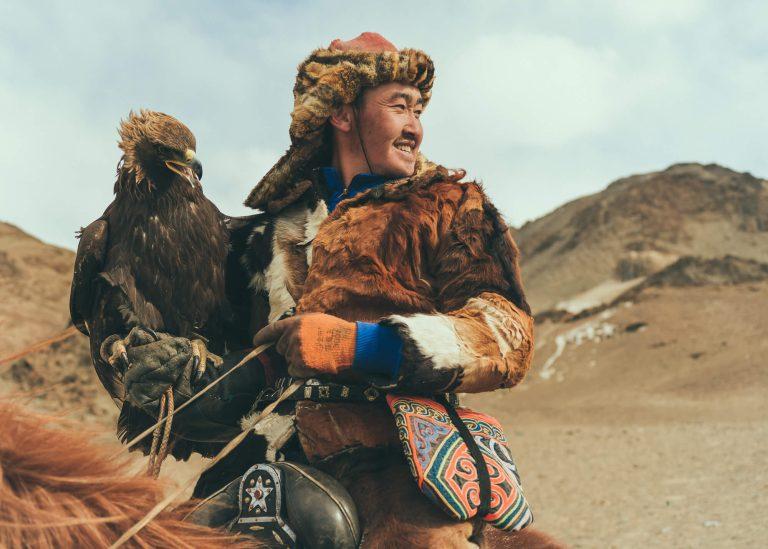
Across Mongolia, groups like the Mongolian Horseback Archery Association (МҮМХХолбоо), the ‘Khan Mongol’ Horse Riders Association, and the Namnaa Archery Academy are reviving this ancient tradition. Their work has reignited local passion and brought new energy to the steppe, with competitions such as the Spirit Mongolia Open Horseback Archery Tournament and the Khuraldai Falconry Festival.
Mongolian archers are not only rediscovering their roots but also stepping proudly onto the international stage, earning medals and recognition at global competitions.
The Diverse Disciplines of Horseback Archery
Horseback archery today is not a single style but a collection of disciplines, some centuries old and others newly introduced.
In the Korean style, for instance, archers shoot at a square target with five scoring zones, arrows held in a quiver rather than the bow hand. In contrast, the dramatic qabak discipline challenges riders to strike a target placed high atop a pole, twisting in the saddle at full gallop to send an arrow flying upwards.
Whatever the style, the sport depends on instinctive aiming. As Polish elite archer Anna Sokólska explains, “Horseback archers don’t use sights. They rely on a combination of muscle memory, hand-eye coordination, arrow trajectory, and subconscious distance calculations to the target.” It is as much about trust—in oneself, in the horse, in the arrow—as it is about skill.
A Growing Community
What makes the resurgence of Mongolian horseback archery so compelling is its inclusivity. Today, the sport draws participants from all walks of life—students, doctors, teachers, drivers—united by their love for the bow and the thrill of the ride. It is not confined to warriors of the past but is open to anyone willing to step into the saddle and take up the bow.
Experience It for Yourself
The revival of horseback archery in Mongolia isn’t only about competitions and heritage—it’s about a living tradition open to anyone with curiosity and courage. Today, Mongolian riders from every walk of life—students, teachers, doctors, drivers—are taking up the bow, united by their passion for the sport.
For travellers, it offers a chance to go beyond watching and truly take part. If you are a confident rider, comfortable around horses, ready for a medium to high level of activity, and eager for a challenge, we can arrange a professional lesson with one of Mongolia’s horseback archery academies. We have community partnerships with the different schools and talented individual teachers and would be delighted to arrange this for you. Although the skill, knowledge, and training involved mean this is not a budget option.
And for those who may not ride but are fascinated by the craft itself, we also offer archery workshops with one of Mongolia’s master bow makers. Here, you can learn the art of creating the iconic Mongolian composite bow and practice the skill of standing archery—connecting with a tradition that has shaped Mongolia for generations.
FAQ: Horseback Archery In Mongolia
What is Mongolian horseback archery?
Mongolian horseback archery is the skill of shooting arrows from horseback, usually while riding at speed. It combines horsemanship, balance, strength, timing, and instinctive aim. Historically, it was used for hunting, protecting livestock, and warfare, and it became closely associated with the success of the Mongol Army.
Is horseback archery still practised in Mongolia?
Yes. Although it declined after the rise of firearms, horseback archery is now being revived in Mongolia. Local associations, riding groups, archery academies, festivals, and individual teachers are helping to bring the practice back into wider public awareness.
Can travellers try horseback archery in Mongolia?
Yes, but it needs to be arranged properly and professionally. Horseback archery requires skilled instruction, suitable horses, safe equipment, and an appropriate setting. It is not a casual add-on activity, and the training, knowledge, and safety involved mean it is not usually a budget experience.
Do I need to be an experienced rider?
For horseback archery itself, you should be a confident rider and comfortable around horses. You need balance, awareness, and the ability to listen carefully to instruction. If you do not ride, a standing archery lesson or bow-making workshop may be a better option.
Can I learn about Mongolian archery without riding?
Yes. Standing archery workshops and bow-making sessions are a good alternative for travellers who are interested in the Mongolian composite bow, traditional skills, and archery culture but do not want to shoot from horseback.
Where can I see horseback archery in Mongolia?
Horseback archery may be seen at selected festivals, tournaments, cultural events, or through arranged lessons with local academies and teachers. Availability changes depending on the season, event schedules, and the people involved, so it is best arranged in advance.
Is Mongolian horseback archery connected to Naadam?
Archery is one of Mongolia’s Three Manly Sports and remains part of Naadam. Horseback archery is different from the standing archery usually seen at Naadam, but both are connected to Mongolia’s wider archery heritage.
Is horseback archery in Mongolia suitable for children?
It depends on the child’s age, riding ability, confidence, and the instructor’s safety requirements. For many families, watching a demonstration or trying standing archery may be more suitable than horseback archery.