
Responsible Photography In Mongolia: A Practical Guide For Travellers
Why write a post on responsible photography in Mongolia?
Although we are not photographers ourselves, we host photography groups in Mongolia each year and work in partnership with photographers. Over time, we have learned a great deal from them, from our Mongolian team, and from the families and communities we work with.
This is not advice about landscape versus portraiture, camera settings, or finding the perfect foreground. This is photography advice with a cultural and ethical focus.
Responsible photography in Mongolia is not just about taking better images. It is about how you behave before, during, and after taking them.
Responsible Photography In Mongolia: Quick Overview
If you are travelling through Mongolia with a camera, the most important thing is not the camera itself. It is your behaviour.
Responsible photography in Mongolia means:
- Asking permission before photographing people
- Taking time before lifting your camera
- Respecting children’s privacy and safety
- Avoiding images that reduce Mongolia to stereotypes
- Remembering that herders, market traders, and families have their own work and lives
- Not paying people, especially children, for photographs
- Respecting gers, family spaces, and local privacy markers
- Photographing animals and wildlife without causing stress
- Avoiding damage to fragile landscapes when setting up tripods or heavy camera gear
Good photography can help tell a more honest story of Mongolia. But only if the process of taking the image is respectful too.

Table of Contents
You’re Not The First Photographer In Mongolia
Mongolians have encountered many Westerners before. Mongolians and members of Mongolia’s ethnic groups, such as Mongol Kazakhs, are not undiscovered tribes. You will not be the first or last person they have hosted.
They are modern people who have welcomed visitors from all over the world and who face many of the same challenges as people elsewhere in the modern world.
Mongolians are warm and welcoming. But although they are curious, they are not typically that talkative. They can also be stubborn, taciturn, reserved, and indifferent. They certainly do not like displays of impatience, superiority, arrogance, or anger.
Mongolians have also encountered many filmmakers and photographers. Many understand very well that some photographs are used to produce products, publicity, publications, exhibitions, or commercial work.
Talk to people about what you want to achieve. Be honest. Be prepared to compromise.
Slow Down Before You Take A Photograph
One of the simplest ways to take more respectful photographs in Mongolia is to slow down.
Take time to get a feel for the place and the people around you. If you are entering a family ger, do not immediately lift your camera. Sit down. Accept the tea if it is offered. Drink one bowl. Maybe drink two. Even if the light is beautiful.
The photograph may feel urgent to you, but the relationship matters more.
When people feel comfortable with you, the images you take are usually stronger anyway. They are less forced. Less extracted. More human.
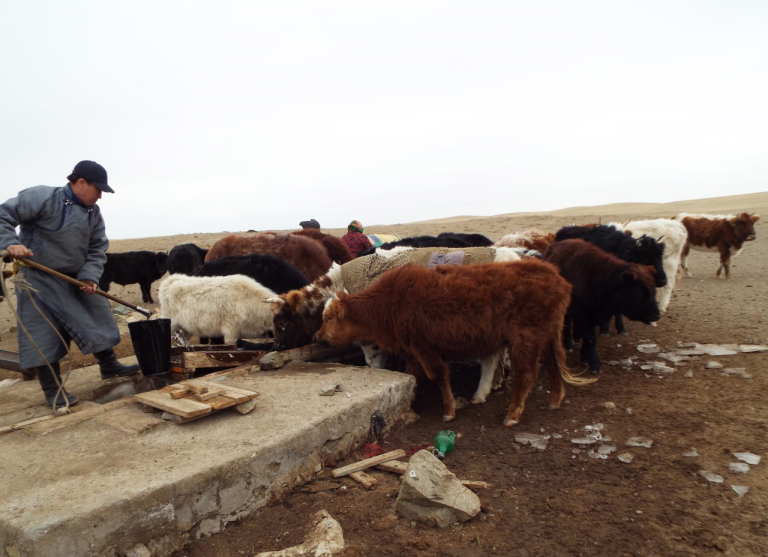
This is especially important in rural Mongolia, where your visit is taking place within someone else’s working life. Herders have livestock to manage, water to collect, food to prepare, fuel to gather, children to look after, and seasonal work to complete. Your photography is not the centre of their day.
They are modern people who have welcomed visitors from all over the world and who face many of the same challenges as people elsewhere in the modern world.
Mongolians are warm and welcoming. But although they are curious, they are not typically that talkative. They can also be stubborn, taciturn, reserved, and indifferent. They certainly do not like displays of impatience, superiority, arrogance, or anger.
Mongolians have also encountered many filmmakers and photographers. Many understand very well that some photographs are used to produce products, publicity, publications, exhibitions, or commercial work.
Talk to people about what you want to achieve. Be honest. Be prepared to compromise.
Always Ask Permission Before Photographing People
Asking permission is simple, but it matters.
The responsibility sits with you as the photographer. You can ask through words, through your trip assistant, or through body language. Hold your camera and gesture gently, asking for approval before taking the image.
If someone shakes their head, turns away, covers their face, puts up their hand, or looks uncomfortable, accept it.
Do not push. Do not sneak the photograph. Do not use a long lens to avoid consent.
If you slow down, photography can become an ice-breaker rather than an intrusion. Take a photograph of the view, the animals, the stove, the tea bowl, or another detail. Show the image on the back of your camera. If you have a small printer or Polaroid camera, offering a printed image can be a lovely gesture.
Many rural Mongolians have access to cameras through phones, but they may not have many physical photographs of themselves or their families.
Also, be flexible. In Mongolia, it is common for people to want to look their best according to their circumstances. A woman working in a market or a herder at home may want to change, brush her hair, put on a different deel, or freshen up before being photographed.
Yes, it may change your composition. But that is part of respecting the person in front of you.
Respect Children’s Privacy
Children are not props.
They have the right to privacy, dignity, and safety. If a child is identifiable in an image, permission should be sought from their parent or guardian. You should also think carefully about how, where, and why you share images of children online.
Where possible, keep photographs of children in your private collection rather than using them publicly on social media.
Do not film children without permission. Do not cuddle or pose with children for photographs. Do not encourage children to perform. Do not use sweets, toys, money, or gifts to persuade children to be photographed.
This links directly with our wider approach to child protection at Eternal Landscapes. You can learn more on our child protection policy page.
Ditch The Mongolia Stereotype
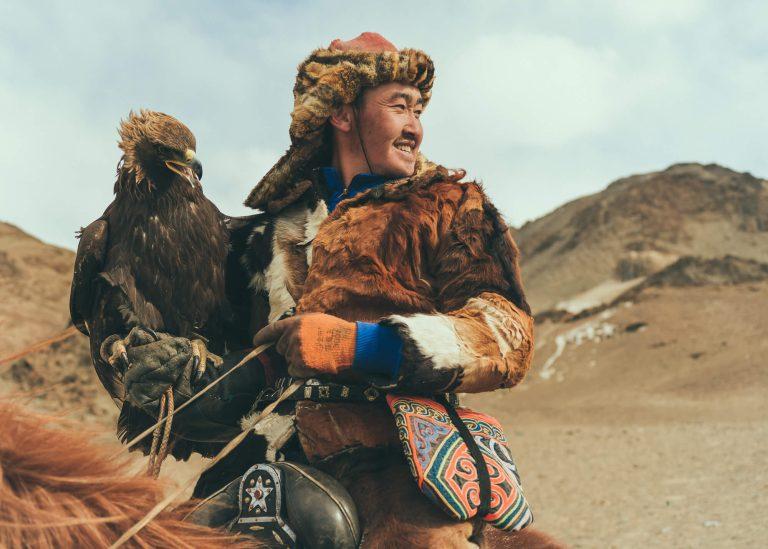
Mongolia is so much more than nomads, Kazakh eagle hunters, reindeer herders, horses, camels, gers, and empty landscapes.
Those things are part of Mongolia. But they are not all of Mongolia.
Mongolians are not a museum exhibit. Mongolia is not a stage set. It is the 21st century here too.
One of the biggest problems with travel photography is that it can keep repeating the same narrow visual story. A herder framed against the steppe. A Kazakh eagle hunter at sunset. A child in a deel. A reindeer in the taiga. A ger against a mountain backdrop.
There is nothing automatically wrong with these images. But if they are the only images we take and share, they flatten Mongolia into something much smaller than it is.
Look for the everyday too.
The petrol station. The school bag. The motorbike. The cracked phone screen. The queue at the well. The washing line. The city apartment block. The supermarket. The traffic jam. The plastic stool in the ger. The solar panel. The football shirt under the deel.
These details often say more about Mongolia as it is lived than the images we arrive expecting to take.
Be Careful With Camera Gear And Fragile Landscapes
Responsible photography is not only about people. It is also about place.
Mongolia’s landscapes can feel vast and resilient, but some environments are more fragile than they first appear. This is especially true in alpine areas of the Altai Mountains and in the dune systems of the Gobi Desert.
When setting up heavy tripods, long lenses, drone equipment, or camera bags, think carefully about where you stand and where you place your gear.
Avoid trampling fragile vegetation. Do not climb over sensitive dune edges for a better angle. Do not damage plants, mosses, nesting areas, or small habitats because you want a cleaner composition.
The same applies when photographing flowers, tracks, wildlife signs, or smaller landscape details. The image should not cost the place more than it gives you.
Thanks to our partner Julian Elliott Photography for sharing this practical tip.
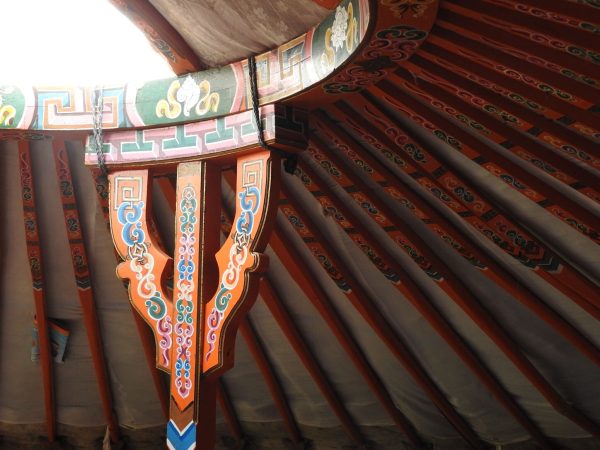
Respect The Ger
Unless at a tourist camp, a Mongolian ger is a family home, not just an interesting round building.
When entering a ger, do not step on or walk across the threshold. The raised wooden beam at the entrance is considered part of the home’s integrity and should be respected.
Inside, follow the lead of your hosts and your trip assistant. Mongolian ger etiquette varies slightly between families and regions, but it is always worth entering slowly, observing, and allowing your Mongolian team to guide you.
Before photographing inside a ger, ask permission. This is someone’s private living space. It may also be where people sleep, eat, pray, store belongings, care for children, and carry out daily work.
Do not rearrange objects without permission. Do not move people into better light unless they are comfortable with it. Do not assume that because you have been invited in, you have automatically been given permission to photograph everything.
Look For Privacy Markers
In some rural areas, a lasso pole or wooden stick placed upright in the ground can act as a local request for privacy.
If you notice this kind of marker, do not enter the area and do not photograph it as though it is simply an interesting cultural detail.
Respect the message behind it.
This is one of the reasons travelling with a Mongolian team matters. They can help explain local signs, boundaries, and expectations that may not be immediately obvious to visitors.
Be Thoughtful When Photographing Livestock
Most animals in Mongolia are working animals.
Horses, camels, yaks, goats, sheep, dogs, and reindeer are part of people’s livelihoods and daily lives. They are not props for photography.
Do not support setups that physically stress animals or turn them into accessories for a staged image. Be especially careful around reindeer, yaks, camels, horses, and eagles. If an animal looks distressed, over-handled, tired, restrained unnecessarily, or pushed into repeated poses for visitors, step back.
It can be tempting to focus only on whether a photograph looks good. But the more important question is whether the situation was fair to the animal and to the people responsible for it.
Photograph Wildlife Without Harassment
Mongolia is home to remarkable wildlife, but wildlife photography must be approached with care.
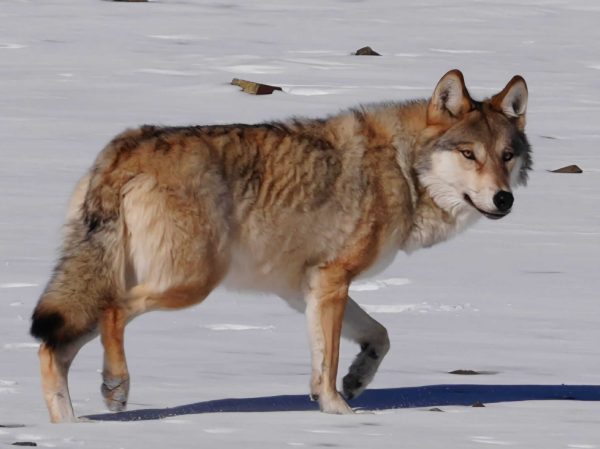
If you are photographing species such as snow leopards, Pallas’s cats, argali sheep, ibex, cranes, vultures, wild ass, or takhi, the aim should never be to pressure the animal into visibility.
Do not chase wildlife. Do not crowd it. Do not use vehicles to push it closer. Do not disturb dens, nests, feeding areas, or resting places. Do not share sensitive location details publicly.
For species such as snow leopard, work with ethical ranger-guided tracking and community-based conservation teams. Their knowledge matters. So does their judgement about when to continue and when to stop.
Sometimes the responsible choice is not getting the photograph.
Remember That People Have Work To Do
The Mongolian concept of time may differ from yours. So may the rhythm of the day.
If your hosts are herders, their livestock come first. If someone is working in a market, they are there to earn a living. If your driver is repairing a vehicle, that repair matters more than a photo opportunity. If your trip assistant is preparing food, translating, checking logistics, or supporting the team, they may not always be available to help you set up a shot.
Even when a visit has been arranged in advance, situations in Mongolia can change quickly. A family emergency, unexpected work, a neighbour needing help, animals moving, or a seasonal task becoming urgent may mean the family you had planned to photograph or interview is no longer available. This can be frustrating, especially if you have travelled a long way or imagined a particular image, but it is also part of travelling through a living, working country.
In Mongolia, plans change. Weather shifts. Vehicles break down. Animals move. People get tired. Families have their own priorities.
Responsible photography means accepting this rather than becoming frustrated when real life interrupts the image you imagined.
Support People Without Paying For Photographs
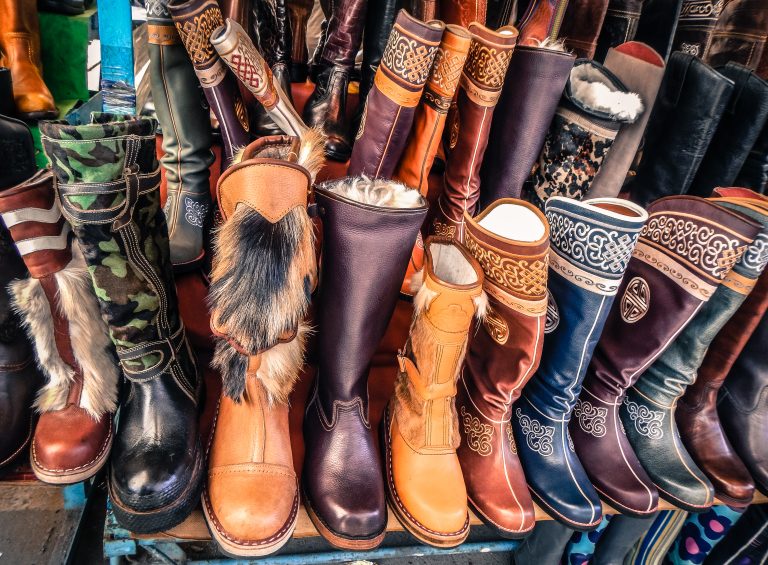
If you want to photograph someone working in a market, do not just take. Buy something. A craft item. A kilo of apples. A snack. Something small and useful.
If you have a small printer or instant camera, giving someone a photograph can be a meaningful exchange.
But avoid paying people directly for photographs, especially children.
Payment can quickly change the relationship. It can encourage staged scenes, repeated performances, or situations where culture is shaped around what visitors will pay to photograph. With children, it can be especially damaging.
Support people through fair trade, respectful purchases, community partnerships, local services, and ethical travel choices instead.
Travel Through Mongolia With Care
FAQ: Responsible Photography In Mongolia
Is it okay to photograph people in Mongolia?
Yes, but you should ask permission first, especially if the person is identifiable.
Different age groups may have different comfort levels around being photographed, and rural Mongolians may respond differently from younger, urban Mongolians who are more used to phones, social media, and cameras. Do not assume that traditional clothing, rural life, or public places automatically make someone available to photograph.
A simple gesture with your camera can be enough, but if someone says no, turns away, puts up a hand, or looks uncomfortable, respect that.
Can I photograph inside a Mongolian ger?
If it is a tourist ger camp ger used for guest accommodation, then yes, it is generally fine to photograph the space where you are staying.
But if it is a family home, only take photographs with permission. A ger is a private living space, not a display. Do not step on the threshold when entering, and wait before taking out your camera.
Your Mongolian guide or trip assistant can help explain what is appropriate in each situation, including whether it is acceptable to photograph people, family belongings, religious items, or the inside of the ger itself.
Can I photograph children in Mongolia?
You should be especially careful when photographing children. Always seek permission from a parent or guardian if a child is identifiable, and think carefully before sharing any images publicly. Do not pose with children, film them without permission, or use gifts, sweets, or money to encourage photographs.
Can I use a drone in Mongolia?
Drone use in Mongolia is regulated by the Civil Aviation Authority of Mongolia (CAAM), and permission may be required depending on where and how you plan to fly. In practice, getting clear guidance or formal approval can be difficult, so do not assume you can simply arrive and use a drone freely.
Even where drone use is legally possible, please consider whether it is appropriate. Drones can be intrusive around families, livestock, wildlife, and sacred sites. They can disturb animals, interrupt the quiet of a place, and feel invasive to people who have not agreed to be filmed from above.
Always ask first, listen to your Mongolian team or local hosts, and follow local guidance.