
Gorkhi-Terelj National Park Beyond the Day Trip: Staying with Naraa and Bujee
Gorkhi-Terelj National Park is one of Mongolia’s most visited landscapes. Its granite rock formations, forested slopes, river valleys, and open grasslands sit within easy reach of Ulaanbaatar, which means many travellers experience it as a short day trip or a quick stop on a wider Mongolia itinerary, often combined with a visit to the Chinggis Khaan Equestrian Statue at Tsonjin Boldog.
But Terelj is also a lived landscape.
Beyond the statue, the main road, and the busier visitor areas, there are valleys, pastures, and seasonal camps that are part of everyday herding life. This is the Terelj we experience through our long-term local community partnership with Naraa and Bujee, a herding family based in the Baruun Bayan Valley of Gorkhi-Terelj National Park.

Table of Contents
Our Partnership With Naraa and Bujee
At Eternal Landscapes, we form long-term local community partnerships with Mongolian people, rural families, and communities. These relationships are not created quickly or for a single itinerary. They are built slowly over time, through repeated visits, shared experience, fair payment, and ongoing support.
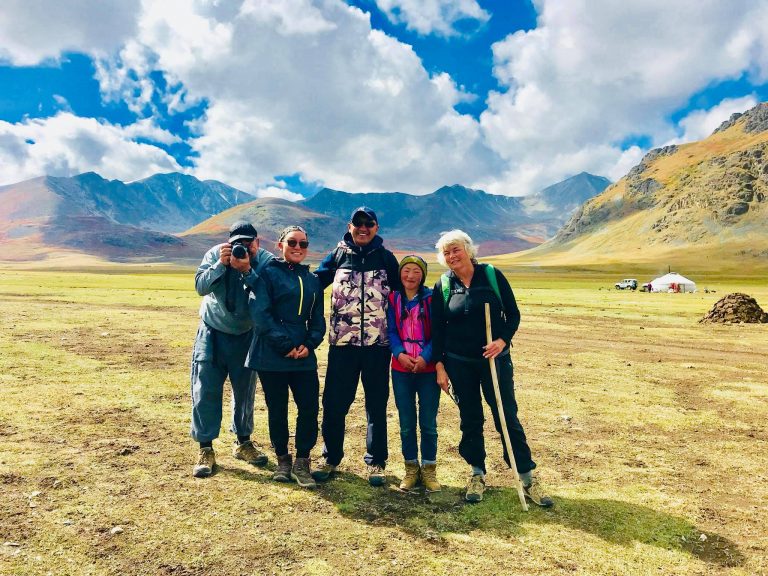
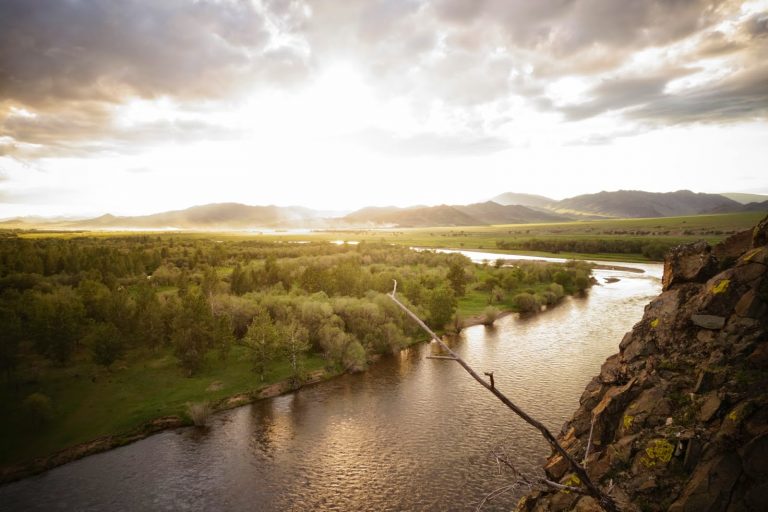
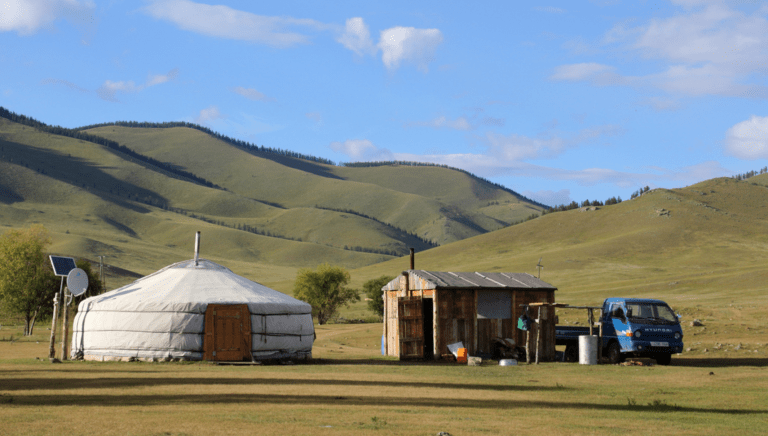
Naraa and Bujee are part of our wider network of herding families across Mongolia. Their home is in the Baruun Bayan Valley, in the quieter further reaches of Terelj, near a small tributary of the Tuul River. Reached by fording the Terelj River, their home offers a very different perspective on one of Mongolia’s most visited national parks.
This is not the busy day-trip version of Terelj. It is a working herding landscape shaped by livestock, weather, river crossings, seasonal movement, and the daily rhythms of family life.
Meet Naraa
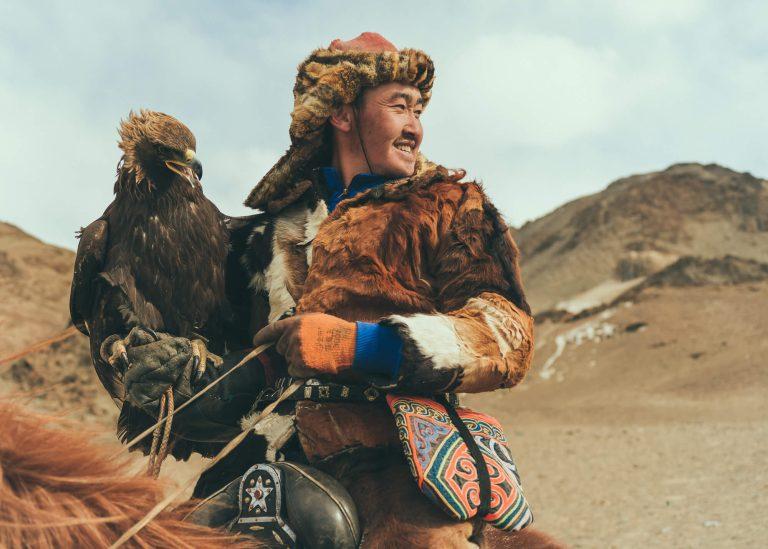
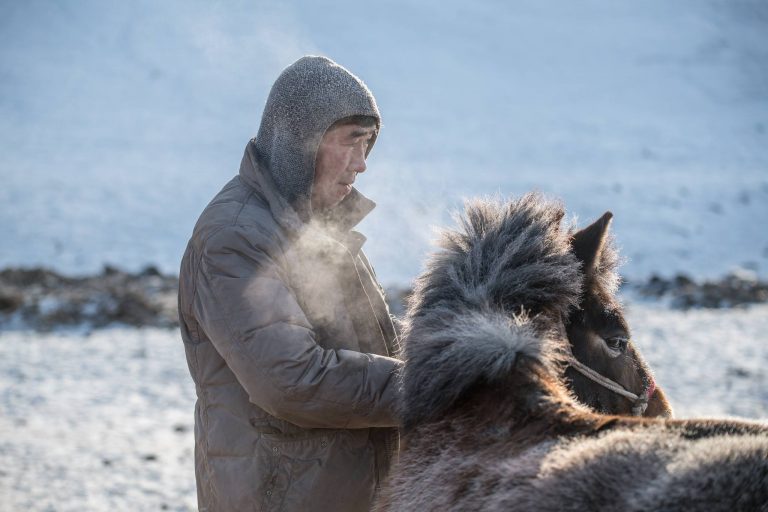
Naraa is a local herder, horseman, and host. He lives in the Baruun Bayan Valley with his wife, Bujee, and their family, herding livestock in the wider Terelj area.
Unlike many rural herders, Naraa speaks English. This gives the experience a more personal and direct feel, especially for travellers who want to understand more about the landscape they are moving through and the life being lived within it.
Naraa originally trained as a mechanical engineer and holds a bachelor’s degree, but he chose to continue the herding way of life in response to his grandfather’s wishes and his own connection to the land. His siblings took different paths — including medicine and linguistics — which is a reminder that modern Mongolian families are rarely defined by one single story.
In Naraa’s words, the herding way of life “has a very big freedom.” When you stay with him and ride through the surrounding valleys, you begin to experience something of what he means: the freedom of movement, the responsibility of livestock, the closeness to weather and terrain, and the independence that comes with knowing a landscape well.
Meet Bujee
Bujee works alongside Naraa in running their small homestay, welcoming guests into a simple guest ger accommodation setting in the Baruun Bayan Valley.
Their homestay is part of how they have adapted to the changing realities of rural life in Mongolia. Like many herding families, they balance livestock work with additional income sources, creating a small family-run micro-business that allows visitors to spend time in the landscape with them.
This is not a polished tourist camp or a staged cultural experience. It is a family home in a working herding valley. Staying here gives you time to slow down, settle into the rhythm of the place, and understand Terelj as more than a scenic backdrop.

Meet Tsindee
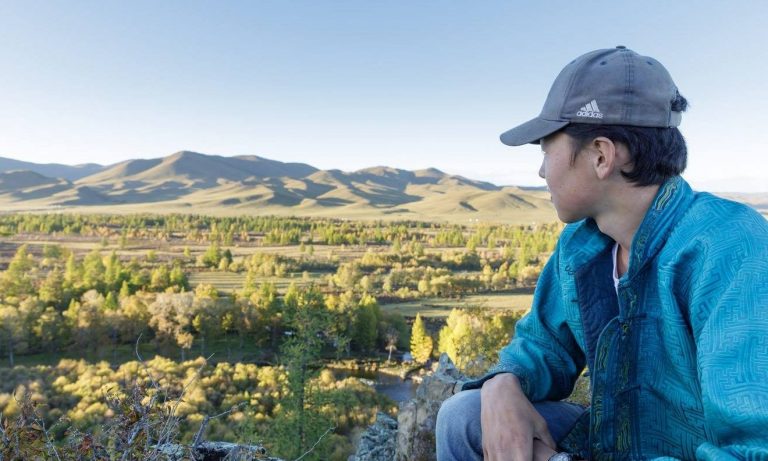
Naraa and Bujee’s son, Tsindee, now in his 20s, has often joined his father on treks, helping with everything from short rides to longer horse journeys. He began joining these experiences as a teenager and has grown up learning the routes, water sources, place names, weather patterns, and practical skills that come from moving through the landscape regularly.
We have always seen this as an apprenticeship rather than a performance. One of the ways we support local families is by respecting how knowledge is passed between generations. In Mongolia, learning often happens through watching, helping, repeating, and gradually taking on more responsibility.
For guests, this offers a quiet insight into how herding knowledge continues — not as something frozen in the past, but as something practical, lived, and still being learned.
Meet Bayasaa
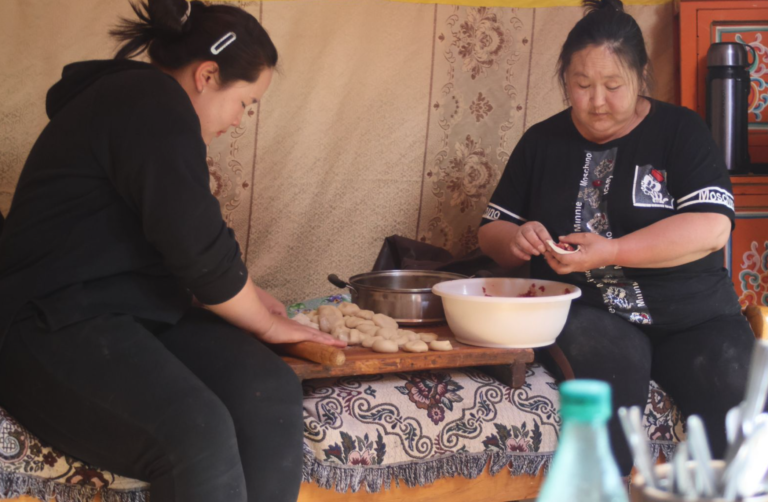
Naraa and Bujee’s daughter is in her mid-teens and, like many Mongolian women, already seems to have mastered the art of multitasking. When she is home, she helps her mum prepare meals for the family and their guests, works with the family’s horses and sometimes leads shorter horse rides, and helps round up and milk the livestock.
Like many children growing up in rural Mongolia, she boards during the school term because the distance makes travelling to and from school each day impossible. But boarding away from home does not lessen her connection to the place she grew up in. When she is back with her family, she slips naturally into the rhythm of daily life — capable, warm and welcoming, although still a little shy in the way many teenagers are.
Horse Trekking in Gorkhi-Terelj National Park
Through our Wild Terelj Trails horse trek, guests begin at Naraa and Bujee’s home before riding into the wider working landscape of Terelj.
Rather than following a fixed or staged route, Naraa chooses the trail according to the weather, ground conditions, river levels, and the riding experience of the group. No two treks are quite the same.
The routes may pass through steppe, woodland, river valleys, open pasture, and summer grazing areas. You travel at the pace of the horse, with time to look, pause, listen, and feel the landscape change around you.
Terelj is known for being busy, especially in the areas closest to Ulaanbaatar and the main tourist sites. But experienced in this way, it still offers space, silence, and a more layered understanding of the region.

Why This Matters To Us
For us, responsible tourism in Mongolia is not only about where you go. It is about how the experience is arranged, who benefits from it, and whether the relationship behind it has substance.
Working with families such as Naraa and Bujee allows us to support small, family-run rural enterprises while offering travellers a more honest experience of Mongolia as it is lived. It also helps ensure that tourism income reaches the people whose landscapes, knowledge, horses, hospitality, and daily work make these experiences possible.
Gorkhi-Terelj National Park may be one of Mongolia’s most accessible national parks, but that does not mean it has to be experienced quickly or superficially. With Naraa and Bujee, it becomes a place to slow down, cross the river, stay a while, and see a different side of a familiar landscape.
Experience Terelj With Eternal Landscapes
If you are interested in a slow-travel homestay or a more personal horse trekking experience, both our Terelj Homestay and Wild Terelj Trails journeys include time with Naraa and Bujee in the Baruun Bayan Valley.
If you are interested in a slow-travel homestay or a more personal horse trekking experience, our Terelj Homestay and Wild Terelj Trails journeys both include time with Naraa and Bujee in the Baruun Bayan Valley — a quieter side of one of Mongolia’s most visited national parks.
They are quieter ways to experience one of Mongolia’s best-known national parks — shaped by long-term local partnership, family life, horses, weather, and the freedom of the herding landscape.
Jess @ Eternal Landscapes